I'm not a huge fan of so-called superfoods...diversity is probably the key to a truly healthy human diet in an ancestral and mictobiome sense, but hey, chocolate may be an exception to the rule. I can rain on the parade with the sustainability issues...anyway, here's my new post:
Your Brain on Chocolate
Already an "Essential Read" at Psychology Today. People love positive news about coffee and chocolate.
Also the second in my three part series at Whole9:
Advanced Tips for a Good Night's Sleep
Part 3 should come out at the end of next month and has to do with teenagers and sleep. I'm probably going to add part 4 at Psychology Today to talk about melatonin. I've always been suspicious of using a hormone as a nightly sleep aid and the science behind it is interesting and scary, considering the widespread popular usage. Itsthewoo was ranting about it on twitter...she uses 1mg in the summer for shift work sleep support, but feels (as I do) that supplementing large supra physiologic doses of a wide-acting hormone is an apocalyptically bad idea on a regular basis. Physiologic doses are somewhere around 0.5mg. You can buy pills with as high a dosage as 10mg! I usually recommend people take small doses for circadian support (jet lag, shift work) for brief periods, when they ask. But it is one of those supplements like creatine that so many people take and don't bother to tell you (even if you ask directly).
More later!
I had a great time in Toronto for the American Psychiatric Association annual meeting. Our Food and Mood workshop was a hot ticket as always, with many people turned away, and so many interested folks. We are still perfecting a couple of the broken slides so if you emailed for a copy, hang in there...it's always so great to see the interest in food and psychiatry at these professional meetings.
It's been a while since I linked a song. Here's an oldie but a goodie: I'll Be You by The Replacements
Sunday, May 31, 2015

Sunday, May 3, 2015
Five Years of Evolutionary Psychiatry
Next month will mark the 5th year anniversary of this blog. Hard to believe I would still be at it after all this time. Back in the beginning, an interest in ancestral health felt like a very lonely endeavor. Since then I've met many online friends, physicians and otherwise, who share my interest, and that communication and support has made all the difference. I probably would have never met these people if not for the blog, and for that and the knowledge I've gained, all the thousands of hours and dollars spent have been worth it. Later this year I'll even be going to New Zealand for the Ancestral Health Symposium there, which looks to be absolutely amazing. If your bucket list includes going to New Zealand, the conference is reasonably priced and is the perfect excuse to go.
Have my opinions changed over the years? Yes, I would say so. I'm more cognizant of the differences between people when it comes to diet and genetics instead of thinking of our species as a more homogenous whole. Just one specific example (not really psychiatry but...) I went from being taught about LDL cholesterol by Brown and Goldstein (who won the Nobel Prize for discovering the LDL receptor and basically ushered in the age of statin therapy) to being a cholesterol skeptic to landing somewhere on the skeptical side of the middle ground. I think statins can and do cause wide-ranging side effects, both physical and mental that for many, even most, people outweigh their benefits, but for folks with a personal history of heart disease or familial hypercholesterolemia, or a rotten cholesterol profile and a strong family history of relatives dropping dead from heart attacks at young ages, using a statin to up regulate the LDL receptor will help improve cholesterol particle recycling and might be worth taking. Since the awesome folks over that theNNTblog agree with me, I think I'm on pretty solid ground.
I'm also more friendly to beans and rice than I was at the beginning, but I'm still not a fan of peanuts or processed food. I have more reason to be suspicious of emulsifiers and artificial sweeteners. Due to my blog I've personally seen some very dramatic cases of serious mental illness that are under much better control via gluten-free diets...yes, beware the tyranny of the anecdote, but just keep an open mind about undiagnosed celiac disease that may not present with gastrointestinal symptoms.
I've also spoken with some folks with eating disorders who got a ton better and have remained in remission by restricting food to whole, real, minimally processed diets (which is not standard advice for eating disorders by any means, as restriction is a bad word), but I've also met anxious folks who had no eating disorders begin to worry about every mouthful and obsess about food all the time once they switched to a paleo-style diet. It's so important to know yourself...95% of people in the develop world have to restrict diets somehow. We can't just eat willy nilly whatever and whenever we want, or we will get sick and fat. Some people do much better and are perfectly happy counting calories and having three cadbury creme eggs every Friday night and go on a creme egg binge if they are trying to eat 100% "clean", while other people find strict food quality rules and not thinking so much about calories makes life much easier and lessens eating obsessions. For health reasons I think we should push food quality over quantity rules in general, and far prefer Brazil's food guidelines to the American nutty calculation crazy official rules.
I've grown in my appreciation of the microbiome over the years, which is reflected in my most recent blog posts at Psychology Today. Modern chronic disease is all about chronic inflammation, and the microbiome is a huge part of our immune system. I think the first truly successful "diet pill" will be a modified probiotic of some kind (and if I'm being cynical will probably be terribly expensive and bankrupt the health care system). I also think the next breakthrough in pharmacology for mental health, particularly for depressive disorders and anxiety disorders (and maybe autistic spectrum disorders and other serious mental illness), will come from a better understanding and manipulation of the microbiome and the "old friends."
I recently closed comments at this blog. Though a few thoughtful comments were being posted, some were at long ago posts I had no time to address, and the vast majority of comments coming through were spam or witch doctors advertising pregnancy and AIDS spells. It's been nice not to have to deal with all that irritating spam email. I do keep comments open on my Psychology Today posts for a few weeks to a month or two.
I do have some new posts up elsewhere:
Improve Your Mental Health With Sleep Part 1
Improve Your Mental Health With Sleep Part II (will be live soon at the 9blog)
And at Psychology Today:
Junk Food, Gut, and Brain
Five Year Synthesis: Start Here Post
Still plugging away and finding *some* new things to write about from time to time. I appreciate all of you who have taken the time to come by, read my blog, and then think about psychiatry and human health maybe a little differently than before. I've even had researchers tell me that my articles helped them out. It's exciting to think my little blog could do something to change the treatment of mental illness for the better.
Here's to the next five years.
Thursday, March 19, 2015
Genetics
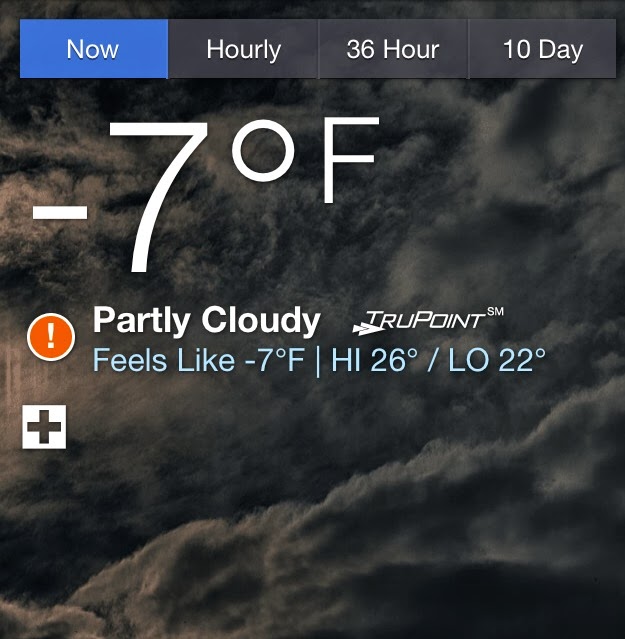
We've been struck by a harder than usual winter here in the Boston suburbs, and the spring bounceback, where increased light meets slow-clogged sidewalks and freezing temperatures, has been worse than in times past. Insomnia is a major problem along with irritability and reversed sleep wake cycle.
In the coming month a couple of blog posts on sleep hygiene and solutions for more serious insomnia will be published on the 9blog.
I've just now posted a blog about major mental illness and the genetics of seasonality at Psychology Today.
In the mean time, I've been wanting to expound on genetics and psychiatry for quite a bit. In the past few years, companies have been courting the psychiatrist, enticing us to get some genetic information about our patients. The jury is out scientifically as to whether that information is useful in the general population. However, I have begun to do genetic profiles on patients, and have found it to be quite clinically useful. Beware the tyranny of the anecdote...but I must say I'm a proponent of genetic testing for various reasons, but not always a proponent of the slick genetic testing companies.
The genetic profiles offered now will give you, first and foremost, information about the metabolism of psychiatric medications. How important is this issue? Well, the large STARD trial used the antidepressant citalopram, which is metabolized through the 2D6 pathway. Poor metabolizers (who might experience increased side effects) in this pathway are up to 10% of whites and less so in other races. Ultrarapid metabolizers exist as well (http://en.wikipedia.org/wiki/CYP2D6). The numbers are enough to be important when it comes to establishing how effective the medication might be in a popualtion wide study.
There are genetic polymorphisms in how we metabolize all psychiatric medications, and a genetic clue as to what to expect can be helpful in most people. However, these first level genetics are only one part of the metabolism of medications. We have pharmacogenetics, pharmicodynamics, and pharmicokinetics, and just because you metabolize a medicine as expected does not mean it will work, and it doesn't mean you don't have side effects.
In my use of these genetic tests, I've found some other findings to be more useful than the cytochrome p450 profile. One is if certain medicines are more likely to work (the serotonin reuptake receptor promoter region gene, discussed here) and the methylation profile. In the test I've used the methylation data is limited to the C677t data, but I've been able to turn around some serious longstanding resistant depressions with the addition of methylfolate.
I've been interested in methylfolate in a while, but nothing convinces a person to actually buy and take methylfolate like a genetic profile that says they don't metabolize folate well. Patients who've tried many antidepressants suddenly find they work with the addition of the right folate support in extraordinary ways.
The latest psychiatric magazines and journals are laden with genetic studies. It is the future of medicine. I'm concerned that a company charges $4000 for a pretty report on meds and genome of a few genetic polymorphisms when you can get all your raw genetic data for $99 at 23andme, and the methylation profile for free at geneticgenie.org. Hopefully in the future we can get this vital data for a reasonable price, and use caution to interpret the results.
Sunday, February 15, 2015
Snowed in
Hello there. We've had a record month of snow around these parts, which paradoxically does not make me more productive, but rather makes me want to sit on the couch wrapped in a blanket, sipping tea and doing nothing.
I have a few new posts up despite all of that...some from last month that I'm just getting around to linking here:
Diet, Depression, and the Microbiome
(I've started to use Grace Liu's fiber protocol just as a little self-experiment, btw).
I've FINALLY written something about how exercise affects the brain (it's very positive except when you hit your head with the bar, which I have done more than once in CrossFit), over at the whole9 blog:
Does Exercise Help the Brain?
And last but not least, there is a brand spanking new post at Psychology Today about lifestyle factors and depression based on that wonderful article from BMC Psychiatry:
Lifestyle Interventions for Depression
Some are obvious, some not so much...like keep those gums healthy!
Look for a new post at the 9 blog soon and I have some other folks requesting blog posts too...I'll get to them when the snow melts, maybe ;-)
In the mean time, just got the brand new book from Diana Rodgers delivered last night, literally on a pile of snow, and I've very excited to try the recipes and projects. Around my house we would need to stand guard with weaponry to keep the animals from eating our garden, but herbs grow very well in the sun room, and maybe we could keep the back porch safe for some pots of garlic and some tomatoes...here's the book trailer for her amazing work full of recipes, home projects, and how to grow your own food at home:
And one final little snippet...I find the following song/music video amazing. It is a dance with a 12 year old girl (the fantastic Maddie Ziegler from Chandelier) and a full grown man (yeah, Shia LaBeouf) in a cage representing two aspects of one person battling mental illness. It's creepy and artistic and powerful, but some may find it too creepy, so fair warning.
Sia: Elastic Heart
Sunday, November 16, 2014
More new blog posts (everywhere but here)
I meant to do even more posts, but I've been down for the count with a horrible cold that felt like a combination of rhinovirus and chikunguna. Finally I'm feeling better, though weak as a kitten. Anyway, prior to the cold I wrote these:
A Gene For Violence (at Psychology Today)
How Food Is Linked to Mood (at Whole9Life)
Earlier today I put out this new post:
Sunshine and Suicide
(Yes, they are linked, but not how you think)
I'm doing a regular monthly column over at Whole9 now, which will be for a more general audience than the biochem-snark ridden curiosities I've been spewing over here since 2010. I think my next one will be about mood and FODMAPS. Let me know if there is anything interesting you want to read about there.
Here's a good song: Kooks Bad Habit.
Oh, I also finished the first draft of another sci fi novel as part of #NoWriNoMo, but the hump of starting book three plus high fever has scuttled my chances of making 50K words this month. C'est la vie. Enjoy your week!
Sunday, October 26, 2014
Magnesium and the Ketamine Connection
Another new post is now live at Psychology Today, discussing how magnesium is a physiologic counterpart to the powerful drug ketamine:
Folks interested in that may also be interested in the following posts:
The Ketamine Key (this article was Boing Boinged! Hooray)
Have a great week! New Walking Dead tonight...
Friday, October 24, 2014
Ketamine
There's been a bit of upheaval at the house...all will be well, but in the mean time, I'm trying to blog more and get some more clicks over at Psychology Today. Clicks support the writing and research I do and they are much appreciated! There's a new post up about ketamine, the noncompetitive inhibitor of the NMDA receptor that, in one single IV infusion, can alleviate a suicidal depression in about 30 minutes. However, the magic doesn't last, and depression comes back after a week or two. Still, the mechanism and understanding of this phenomenon is important to figuring out the physiology underlying depression.
For right now, ketamine is being used experimentally in hospitals and also in some "salvage" clinics where folks who've responded poorly to other treatments pay for to get a short break from depression. Other NMDA receptor antagonists might be useful drug targets for experimentation...but to be honest glutamate has been the holy grail neurotransmitter for several psychiatric disorders (schizophrenia, major depressive disorder, and bipolar disorder among them) for the past 20 years, and I've not seen anything come of it, or anything new in the drug pipeline that has panned out.
The supplement NAC utilizes the glutamate pathway via a somewhat convoluted mechanism. I've seen it work for obsessive thoughts, hair pulling (but never for picking behaviors in general) and, interestingly, bipolar depression when every other treatment has already been tried. There's only one study for bipolar depression, but the trichotillomania efficacy is solid and NAC should be part of the clinical arsenal for that symptom.
Here's the post: The Ketamine Key
And here's a new Lorde song I like a lot: Yellow Flicker Beat
Thursday, October 16, 2014
Ketone Esters and Dementia
First off there is a brand new post over at Psychology Today. A new case study was recently published about the use of ketone esters, a supplement that raises blood ketones to levels in humans found only with prolonged fasting. A man with early onset dementia, formerly treated with a ketogenic diet, had lasting improvement on 20 months of ketone esters. Interesting stuff.
A Bold New Experimental Treatment for Alzheimer's Dementia
On the homefront I've been following the Ebola epidemic closely, partially because I have an amateur interest in emerging tropical diseases (I read all those virus hunter books from the 90s), and partially because I went to medical school in Dallas, so I know some of the folks on the front lines, both living in the neighborhoods of the infected and working in the hospitals there.
From what I know, the threat of Ebola (as the virus is now) seems minimal to the general public in the developed world, but it seems abundantly clear after this weekend that ordinary contact precautions (usually gloves, gown, booties, and masks/face shield) in hospitals will not protect the health care workers who are face to face with all those bodily fluids teeming with virus at the sickest stages of the disease. The higher level body suits and meticulous training in PPE (personal protective equipment) found at specialty units and hospitals will be required until everyone gets up to speed.
At the same time, Paul Whiteley tweeted a note from the Lancet with interesting observations about asymptomatic Ebola infections, perhaps quietly immunizing people without causing risk of infections in others.
There's also a terrific Frontline on the Ebola outbreak with all sorts of information about the virus and the experimental drug ZMapp which seems effective (though in very short supply, as in used up for now I think).
Music: Here's the full New World Symphony
Saturday, October 4, 2014
Two new posts over at Psychology Today
Hey there...I know.
Here's a great song: Left Hand Free
The first new post over at Psychology Today is about the big, recently released study shedding some real insight as to how schizophrenia is inherited and what might cause the diseases. It's a game-changer (the findings, not the blog post, though the post was picked as a Psych Today "Essential Read" and "Top Post" for the week).
New Insights Into the Genetics of Schizophrenia
The second new post is about a paper I pulled a while back but never got around to writing up:
Is Gluten Causing Your Depression?
The short answer is...it's possible, but it's probably not causing your irritable bowel symptoms. That's pretty much the FODMAPs if you respond well to a gluten-free diet.
I'm spending a lot of my free time working on a couple of science fiction manuscripts in a far future after most of the population has been wiped out by gluten (kidding! They are wiped out by something else, but I'll have to publish the book for you to find out, probably).
In the mean time, there's a lot of action about gearing up for next year's conferences. I kept a relatively low profile this year, but I've put in a proposal for the American Psychiatric Association Annual Meeting in Toronto, I'm considering PaleoFx in Austin 2015...and I've also been invited to AHS New Zealand, and can't wait to go.
Friday, July 25, 2014
Elemental Health
New post on minerals at Psychology Today...expecting to write some new ones on magnesium and some more on genetics here or at Psych Today in the near future.
Ele-mental Health
Here's a new song by Spoon, which I believe is Austin, Texas' most commercially successful band:
Do You
Drink your mineral water!
Monday, June 30, 2014
Human Microbiota and Depression
Several weeks ago, I got an email from one of my best friends from medical school. She graduated top honors in the class and went on to Johns Hopkins, where she was a chief resident, then a fellowship, and basically has torn her way through the ranks in academic medicine like the firecracker. She told me once I ought to be in academic medicine (other than my tiny finger hold teaching a section of one class), but I’m not all that great dealing with something called a “boss,” so let’s just say I’m better off where I am. It’s very handy to have a crackerjack gastroenterologist as a friend when one is interested in the gut brain connection. Ergo…her email started off: “Saw this paper and I thought of you.”
Now we know what my friends think of me!
There is a new article at Psychology Today based on the paper: Human Microbiota and Depression
Next I’m determined to look more into genetics and mental illness, also, I have to dig deeper into something my friend Drew Ramsey found, magnesium as “paleo ketamine.”
In other news, my baby graduated from pre-school and will start kindergarten in the fall. Here's the class waiting to get their "diplomas." Sob.

Friday, May 9, 2014
Lessons from the APA 2014
Last weekend, I presented a workshop and symposium at the American Psychiatric Association Annual Meeting in New York City. This meeting is enormous…as many as 15,000 psychiatrists and researchers come from all over the world to these events. It’s a conservative psychiatric event, with the stress on biology and the evidence-base. In my residency years I remember fancy pharmaceutical company galas and exhibitions. That is all toned down now, with the companies situated at the back of the exhibition hall, and more prominent in the cabs and buses used to get to the convention center than at the event. The program is enormous, with 250 pdf pages, and the speakers as grand as Bill Clinton last year, and Vice President Biden this year. It’s the largest psychiatric stage in the world. So big, though, that you can get lost in the shuffle. Some great symposiums and workshops are sparsely attended.
Heavy English: 21 Flights (music)
Last year, thanks to the invitation of Drew Ramsey, MD, I was part of a Prescription Brain Food, From Bench to Table workshop that had attendance out the door. The chair of the scientific committee of the APA, Phil Muskin, introduced us, and each presenter had 15 minutes to make a point, with a long Q&A. Drew and I took advantage of the popularity of last year’s workshop to offer both a 1.5 hour workshop and the Evolutionary Psychiatry three hour symposium this year, both of which (much to my surprise, frankly) were accepted as part of the program. Both were heavily attended, the workshop, in a smaller room (250+ people) was filled to the brim, with many people turned away. People were standing at the back of Evolutionary Psychiatry as well, proving that psychiatrists are hungry for alternatives and preventative psychiatry.
The most important part of the weekend was being introduced to the folks from the international sociaety for nutritional psychiatry research. These are the people on the front lines, the masterminds of many of the studies I've discussed in this blog, who are devoting lives and careers to answering the questions about nutrition, the microbiome, and psychiatric disease that we all hold dear.
But with so many people (and many psychiatrists newly approached) interested in both nutritional psychiatry and evolutionary psychiatry, I thought I should write another “start here” post to get everyone going and not feeling too overwhelmed. So head over to the Psychology Today blog for the basics:

Sunday, April 6, 2014
More on the Gut-Brain Connection
I'm still in the midst of reviewing a ton of literature on psychobiotics in time for the APA Annual Meeting in New York City this year. Our Evolutionary Psychiatry talk has been moved from two to three pm on Monday May 5th, as the Vice President will be speaking at 2pm. (Attendees can watch the VP on close caption so you can run to our room to beat the crowds ;-)
Anyway, I've written a layperson's version of my portion of the talk on the Gut and Brain, probiotics, etc. which I just put up over at Psychology Today. My academic talk will have a lot more details about the immunological effects, cytokines, hormonal regulation, etc.
New Music: Cherub: Doses and Mimosas (not exactly my usual style, but catchy, particularly the chorus.)
 |
| Head of a pinworm, major immune system regulator. From wikimedia commons. |
Sunday, March 30, 2014
Tylenol in Pregnancy and ADHD in Offspring
Excuses, excuses...haven't blogged in a while. The kids keep me busy, and I've been working on some personal projects that make me happy, not to mention some major work going on with the practice, which, since it pays the bills, takes a good deal of my attention.
However, I do have a new article up at Psychology Today, about the recent JAMA Pediatrics article linking acetaminophen use and the risk of ADHD in offspring. It's an observational study, but the best sort of observational study. However let me warn you, I'm biased against acetaminophen from my experience working the ERs and ICUs. I do feel for pregnant women suffering pain or inflammation...what are they to use? If aspirin, other NSAIDs, and acetaminophen are all off the table...
I've been hiding from conferences since AHS last August, but I'll be at PaleoFx (briefly) in mid April, on the Thrive Show (a google hangout) with Jennifer Brea (producer of what looks to be an amazing film called Canary in a Coal Mine) on April 22nd, and doing a couple presentations at the American Psychiatric Association Annual Meeting in New York City the first weekend in May. I'm teaming up with Drew Ramsey that Sunday to do a practical workshop for the practicing clinician on Food and Mood, and then Georgia Ede will join us on Monday for a full three hour symposium on Evolutionary Psychiatry. I'm very excited about both these presentations, and not just because Georgia and Drew are some of my favorite psychiatrists and people in general.
The Evolutionary Psychiatry symposium will include sections on the gut/brain connection, all the latest data about the micorbiota and parasites, the immune system, and psychiatric disorders, but also reviews of minerals and hormesis/fasting and ketosis. If you are going to the APA, be sure to come out to see us, and come early, because last year our workshop was filled to the brim with some folks refused entry. We are planning exciting, interactive presentations that may be a little different from the typical dry academic talk, but still on point and evidence-based, of course.
I will have a few more blog articles coming out at Psychology Today...so keep on checking back!
Sunday, February 16, 2014
Here We Go Again: Vegetarian Diets and Mental Health
One of the primary messages out of public health agencies and nutrition gurus from Walter Willett to Michael Pollan is to eat more plants. And, indeed, in many studies, vegetarian* diets are associated with better cardiovascular health, lower BMI, and better health behaviors (less likely to smoke, drink, and participate in shady Rock and Roll activities).


*In most of these studies, vegetarian does not mean vegan, but usually includes the addition of dairy and eggs, and in some cases, also fish and chicken. Many of these studies use the metric of what people self-identify as, rather than what people actually eat. And the large ones are cross-sectional observational studies, which don't give us causation.
Studies have mostly (but not always) shown that vegetarian diets are associated with poorer mental health, particularly when it comes to anxiety, eating disorders, and depression (See You're A Vegetarian. Have You Lost Your Mind?). This correlation makes sense due to the particular nutrients mostly vegetarian diets are low in (B12, long chain omega 3s, choline, and zinc among others) are particularly important to the brain and nervous system. Mediterranean diets, on the other hand, rich in fruits, vegetables, and whole grains, but also in fish and poultry, are associated with better mental health, and a randomized trial of men with type II diabetes assigned to a Mediterranean diet for several years had lower incidence of depression than controls (1).
In the face of a lot of messy data, Austrian researchers took a cross section of the population to learn more about self-reported diet and health. The paper is free full text and available here: http://www.ncbi.nlm.nih.gov/pmc/articles/PMC3917888/
I tweeted the paper yesterday, proving that there's nothing a paleo-leaning audience loves more than a study inconsistent with the notion that vegetarian diets are the elixir of eternal health and happiness, at least for humans.
There was also a little twitter skirmish of vegetarian protest. "Correlation doesn't mean causation" one told me. (Yes indeedy! That's why I used the word 'correlates'). Another accused me of being misleading #shame:
I'm happy to let each of you in the twitterverse determine how misleading I am. It would be too cumbersome to define each verb each and every time I use them in 140 characters. Let me qualify that I'm sure there are happy and healthy vegetarians out there, and all my best to continued health and happiness; be sure to get your B12 from somewhere!
Anyway, the researchers did a decent job of getting a nice cross section of people in Austria from all levels of health and socioeconomic classes. Then they pulled out all 343 "vegetarians" (which were vegans, lacto-ovo vegetarians, and lacto-ovo-pescatarians) and matched them with folks from three other self-identified groups that we shall call the virtuous carnivores (lots of fruits and veggies + meat), the carnivores who eat less meat, and the shameless meat-eaters. Then the researchers measured (or asked about) a lot of health factors using trained interviewers. Body mass index, smoking, alcohol use, how many times a person visited the doctor, whether they got their preventative health care, and what sort of medical conditions and health complains they had.
After a lot of number-crunching, the results were as follows: Self-identified vegetarians had poorer mental health (defined as depression and anxiety), poorer overall health, and poorer quality of life. The other finding was that BMI correlated linearly with the consumption of animal fat (with the shameless carnivores having the highest BMI, the vegetarians the lowest).
What can we learn from this study? Are vegetarians are more likely to be neurotic sick people looking for dietary cures for what ails them, thus come out of the study looking more skinny, unhappy, and unsatisfied? Or are vegetarian diets nutritionally bereft leading to health problems, mental health problems in particular? We will never be able to get that answer from a study of this design.
The Mediterranean diet, as always, has more consistent data for positive benefits for mental and physical health. I tend to think that the diet with a bit of variety and the least processed food will be the healthiest and simplest to explain.
Wednesday, February 5, 2014
New Directions in Autism
Last Sunday I put out yet another new post on Psychology Today, but failed to link it here. It is a discussion of a very interesting long term cohort study in Crete, where the researchers used a sifting haystack approach to find some metabolic problems that might be causing the symptoms, then, in certain cases, presumptively treating the problem, leading to two successful remissions of severe autistic symptoms. While the methods are too cumbersome and there isn't enough data to use the approach on everyone, I can't help but think we are looking at the next iteration of the future of medicine. Better knowledge of what different organic acids mean when found in the urine, and how different metabolites present in the blood after a fast or a glucose bolus tell us something about the overall functioning of the metabolism…then a tailored approach. Those who had trouble with fat metabolism were on high carb diets and reported decreased symptoms. Those who had trouble with glucose metabolism went on ketogenic diets…etc. etc. It's a smart and forward-thinking approach that makes sense in research and in these devastating conditions for which there is no treatment or cure. (Yet more data would be nice!)
Song: Big Data, Dangerous
But when does the needle in a haystack approach go to far? It's common for someone to go to a naturopath and get full blood, urine organic acids, and stool samples for fatigue, poor skin, lack of ability to lose weight, or constipation (or insert other chronic difficult to treat condition here.) In the case of the naturopath, the patient is paying out of pocket for this sort of treatment and that's free market health care. In the case of large population medicine and insurance/medicare/medicaid, there are not the resources for such an approach. Also, the most bang for the buck in the general population has to come from cheaper, more generic approaches, such as education and motivational interviewing about exercise, proper eating, and sleep…then if everything is more or less ship shape (or if the problem is disastrous), more investigation is warranted. My bias tends to be toward *less* testing and more listening, common sense, and empirical treatment (with the caveat that you don't want to miss the life-threatening condition, for example, my first break psychosis patients will get directed toward that MRI, low yield though it may be, so as not to miss the occasional brain tumor).
With no further ado:
Targeted Diet Interventions in Autistic Spectrum Disorders
And via Paul Whiteley: Autism, Treating the Whole Person
Saturday, February 1, 2014
Raise a Glass to Mutual Trust
Today I took the youngest to a preschool friend's birthday party. It was at a gymnastics center, and even after an hour of bouncing and running around, the eager children began doing laps of the table after the happy birthday/cupcake portion of the celebration. Yet there is still a lack of appreciation of exactly how acutely diet can actively affect behavior. A recent, fascinatiing study (forwarded to me by Dallas Hartwig of Whole9Life) shows how dietary manipulation of tryptophan (and therefore central nervous system serotonin levels) can affect mutual trust when it comes to money (brand new article over at Psychology Today):
The Drink of Trust
I'd be interested to see the results of similar studies with intranasal oxytocin or orally administered Jack Daniels.
Other pertinent articles:
Sunlight, Sugar, and Serotonin
The Anger Drink
Dopamine Primer
Do Carbs Make You Crazy?
Do Carbs Keep You Sane?
In the mean time, eat whole foods and consider your behaviors with care :-)
Sunday, January 26, 2014
Spirituality, Depression, and Recent Events
A brand new post is up over at Psychology Today: Brains, Spirituality, and Depression. It discusses the links between…well, guess. There are some interesting anatomical findings in the brain that correlate with both increased spirituality and a reduced risk of depression, but go read to find out more.
Thanks for comments and donations! I've not always been on top of the comments situation, and given the vagaries of gmail, I can't have my comment-approval gmail open at work…sometimes it takes me a week or two to approve a comment, and some get missed in the avalanche of spam. Excuses excuses…
I'm on track to writing more, though new article/science stuff will probably end up on Psychology Today first to be a more effective use of my time, because I have to blog monthly over there to get paid. :-). Other recent activities include freezing, hiking, a lovely Brazilian steakhouse dinner with Chris Kresser, Mat Lalonde, Sarah Johnson, and Diana Rogers and registering the youngest for…gasp…kindergarten.
Chris Kresser's book is out, btw! Great addition to the paleo book menagerie. And you might find the author of the Foreward to be familiar.
 |
| Too cold unless you are these guys |
 |
| Meltwater on the ice-covered pond at Stony Brook |
Wednesday, January 1, 2014
Man of Steel
Hello 2014! This blog post probably makes more sense if you have seen Man of Steel. Seriously, spend $1.50 at redbox. It’s awesome. Though perhaps ethically disappointing.
I know it has been a long time. Suffice it to say that between some unexpected illnesses and deaths in the extended family, along with the normal life of a family with two working parents and two very active little girls, there was simply no extra time or energy for a little while. There was also a little stutter in my sense of purpose, trying to figure out what it is I am trying to do here. There is a lot more attention from my fellow psychiatrists (the president of the APA follows me on twitter, so all the sudden I feel a little awkward sharing my 140 character opinions and links on the Hunger Games). Far more importantly, I’ve been honored to be selected for a three hour symposium on Evolutionary Psychiatry at the next APA annual meeting in New York City, which is the major meeting of psychiatrists in North America, if not the world. It’s all very academic and serious.
Yet the underpinnings of what I am trying to say (and, in this blogosphere, trying to pick out the truth) are so simple it often feels as if there is nothing left. Sleep well. Eat well. Take a break. Be merry-ish. I am not temperamentally designed for ambivalence (except as an appropriate therapy tool), but after three and a half years of blogging the basics are settled, and the tougher subtleties come to the fore. The blog is coming out of infancy and becoming self-aware. A separate consciouness dogging me, and mocking, sometimes. Is there no way to make a difference without being outrageous and unconscionable?
There is a community now, of doctors and people looking for common sense and an active role in their own care. Yet the publicity is centered on the straw-man paleo critics and the ridiculous purveyors of “paleo” brownies and doughnuts. I do see a use for these on some level and I don’t begrudge anyone the right to make a living by selling grain-free garbage, just not with that smarmy stamp of “health” across the top. It’s no better than the American Heart Association approval across the top of cheerios or whatever stupid processed cereal product they decide to endorse (shoot, even the AHA is ambivalent about the grocery store, as I can’t get their grocery store heart check products list to even load at the moment).
It’s like Christopher Nolan took over my blog and replaced the shining optimism of a summer blockbuster with the dark semi-antihero superhero (spoiler!) who breaks General Zod’s neck in front of the sobbing families in Grand Central Station or the Metropolis equivalent. Yet life is really positive and wonderful, and the kids are doing well, and business is booming.
The ultimate child-like medical journal (no grumpy, scene-stealing, genetically engineered to be two-dimentional Krytponian General Zods allowed) is Medical Hypothesis. The staid and serious need not apply. No question that the glorious and insane ideas unleashed there could spark a revolution in medical treatment. The next generation is inspired, unplanned, and is blessed with the looks of Henry Cavill (he is training at Gym Jones for the MOS sequel, can you confirm this, Dallas?). Maybe. Or maybe it’s all an optimistic waste of time or craziness. You never know until the battle to the death that makes it all clear at the end of the summer blockbuster. Victoria Prince (with her shiny new MD and PhD in addition to her native awesomeness, not unlike like Natalie Portman in Thor) sent me an article from there about OCD and the gut microbiome.
OCD I’ve always considered to be one of the more “organic” of mental disorders. More neurology, less psychology. Let’s not confuse it with obsessive compulsive tendencies that have led many a med student to success. No, OCD is a heart-breaking disorder, where people get stuck with unwelcome, repetitive, ego-dystonic thoughts and engage in uncomfortable compulsions to relieve the anxiety of those thoughts. Typical thoughts include pedophilia in a teacher who would never dream of harming students, or killing your own children, or stealing, or running over someone, or being contaminated by germs. (Hoarding is thought of as a variant of OCD, but is more responsive to treatments such as stimulants, which typically make OCD worse). Worsening OCD symptoms tend to be caused by pregnancy (even typical post-partum depression symptoms are OCD in nature, worries about the harming the baby, germophobia, etc.) and other stressful life events. It’s horrible but, in my experience, typically amenable to the standard treatment, therapy with an OCD specialist and high doses of SSRIs. Hardly paleo but neither is an appendectomy. Seriously, I’ve had patients who have led shadow lives for decades, bothered by these intrusive thoughts, who tried therapy after therapy, finally convinced to take an appropriate dose of medication who are suddenly free of the obsessions, the compulsions, and the constant mental torture. It’s an awakening. Sol to the native-born Kryptonian. Stretched the metaphor too far? Sorry, you are reading the wrong blog.
But I’ve been interested in the microbiome for a long time. 90% of our personhood are these “other” cells who inhabit us. They communicate with our brain, serve as a major part of our immunity, and regulate our immune response. Right up until the 20th century (more specifically mostly before 1975) we co-evolved with parasites, certain commensal bacterial, and pseudocommensals. The major autoimmune diseases, such as multiple sclerosis, rheumatoid arthritis, asthma, etc. have increased in incidence and prevalence in the last thirty years (though peaking, in some instances, around 2000, prior to more aggressive anti-autoimmune medical care instituted early). OCD has long been considered a variant of an autoimmune disease (while most of my patients were affected in childhood, I do have a few who became symptomatic in adulthood after infection with lyme disease, herpes, or other neurologic pathogen, plausibly leading to an autoimmune attack on the brain causing chronic OCD symptoms.)
So what does Medical Hypothesis have to say about all this speculation? Both dietary and emotional stress are known to affect the microbial population. And the PANDAS associated with OCD might not be the problem…perhaps it is the antibiotics given to treat the strep infection? Let’s not forget that before antibiotics, people died right and left of scarlet fever and all sorts of bad things. Henry Cavill also struggles with throwing the baby out with the bathwater. Do I reveal myself and save the school bus full of children? [SPOILER] Does Kevin Costner really want me to let those children drown? Good thing the tornado takes away his crazy moral equivalency…
The Medical Hypothesis article calls for the trials of probiotics that we all deserve, except that everyone knows the only hard core way to permanently affect the gut microbiome is via helminth therapy (yes, introducing parasitic worms) or fecal transplant. If we are going to be radical, let’s go radical in a scientific and controlled and meaningful way.
I’m impatient sometimes. And no one wants to wait for everyone to wear blue-blocking glasses, get some general daily activity in already, and save the magic paleo cookies for a few special occasions a year. People want sensibility, convenience, beauty, and fresh air. A glorious man in Antarctica who can fly with his red cape in the light of our young sun. Coconut milk. Roast beast. Fermentation. They want a grumpy, two-dimensional villain, like Zod, or Carbsane, or the Medical Establishment, or the flu vaccine.
I get so many emails that break my heart. Can you help me, I’m sick, my relative is sick.
I have no magic elixirs. I am no Henry Cavill. I can barely keep myself operating sometimes with all the souls currently assigned to my watch. I couldn’t save my young cousin from sarcoma. I can’t save anyone. You have to save yourself.

Friday, November 1, 2013
Gluten and Schizophrenia Again (with an added splash of Toxo!)
Researchers have been chasing the elusive links between gluten and major mental illness for decades. Despite some hyperbolic coverage in Wheat Belly and slightly more convincing coverage in Grain Brain, there is, so far, quite a bit of smoke, but no fire outside a few case studies. Curt Dohan had quite a few papers back in the day (including this one), and much more recently Faith Dickerson, now armed with antibody titres, could be more precise (including in this paper).
In the last couple years the rather stunning data from the CATIE trial (a very large multi-center study of schizophrenia treatment run by NIMH in the last decade) that schizophrenics were 5X as likely to have anti-tTG antibodies as healthy controls and over 7X the likelihood of having high AGA (antibodies to gliadin) compared to normal controls has made more researchers take notice. Yet on face, all we could really say is, wow, a certain subset of people with schizophrenia sure do have some suspicious antibodies to different wheat proteins, and it is pretty clear that devastating neurological illness can be caused by gluten (dystonias in some people, for example) without the classic celiac gut findings, but is the issue in schizophrenia a leaky gut (thus higher antibody titres to certain food moieties) or the wheat itself, or both? I covered these questions in a bit more detail here.
One major issue with the theory that wheat causes schizophrenia is that schizophrenia seems to have a similar prevalence in gluten and non-gluten eating areas, but since "schizophrenia"is pretty clearly recognized as a final common pathway for a number of different genetic and environmental pathologies, it wouldn't necessarily torpedo the gluten theory. Now, finally, we can test whether gluten-free diets help symptoms in the subset of schizophrenics who have suspicious wheat antibodies. The newest round of researchers, led by Jessica Jackson (along with Alessio Fasano) at the University of Maryland and Emily Severance at Johns Hopkins, are following these leads.
Come A Little Closer: Cage the Elephant
First off, we have "A gluten-free diet in people with schizophrenia and anti-tissue transglutaminase or anti-gliadin antibodies." This paper starts off with discussing the mixed results of previous trials (7 in all) of gluten-free diets in schizophrenia, showing a subset with real improvement (and some with remission, which is an astonishing finding), but many without improvement whatsoever. None of these studies tried to differentiate schizophrenics with or without anti-tTG and AGA, mostly because they were done before these titres were available. The paper makes the distinction that anti-tTG antibodies are more likely to signify celiac disease, whereas AGA is more likely to signify non-celiac gluten sensitivity. In the current paper, exactly two patients with schizophrenia (one woman symptomatic since 1976 and a man symptomatic for the past 8 years) and positive antibody titres (one for anti-tTG and one for AGA) who were stable on medicines but still symptomatic (pretty common) were put in an inpatient unit and observed on a gluten-free diet for two weeks.
The woman had improved concentration and attention (critical, because psychotic symptoms often respond relatively well to medication, but poor executive functioning, attention and concentration are not so responsive, and those deficits keep many people with schizophrenia from being able to function independently). The man had some reduction in psychotic symptoms and increased insight into his condition. Since schizophrenia is a progressive neurodegenerative disease, seeing improvement, particularly in the woman who had been sick since 1976 from a non-medicine intervention in two weeks' time is at the least interesting.
The limitations of this study are profound. Open label, about as tiny as you can get, and obviously taking someone and sticking him or her in an inpatient unit with structure and observation is an intervention all on its own. But the level of improvement was enough that Schizophrenia Research (not the topmost tier of psychiatry journals, but certainly no Medical Hypothesis) published the paper, and it is available free full text on pubmed if you care to click the link above.
The second paper was sent to me by the amazing Victoria Prince (who just finished her last rotations in medical school. Woo hoo!) I love this paper, and I want to give Emily Severance a hug just for the ideas it brings together. She already deserves a hug for the previous paper I discussed in this article: Schizophrenia and the Gut. We know schizophrenia is multitudes, it's complex, it's genetic and environmental and immune-mediated. Ergo: Anti-Gluten Immune Response following Toxoplasma gondii Infection in Mice. (I know, mice.) It's also available free full text over at PLOSone.
Anyway, we already know that folks with schizophrenia have higher levels of gut inflammation (measured by checking antibodies to known infections that get into the system when there is gut inflammation or infections that actively cause gut inflammation, such as our old friend Toxoplasma gondii), and the newer the onset of illness, the more likely you are to find gut inflammation, AND the more antibodies to gluten and casein you have, the more likely you are to have these signs of gut inflammation. So Dr. Severance sought to answer some of the questions raised by this finding. Did the infection cause a gut pathology that allowed neurotoxic food fragments to attack the brain of the genetically susceptible? Were the infections themselves the problem in the brain, and the food antibodies just secondary to the infections? Well, it is difficult (not to say unethical) to do the sorts of experiments you need to answer these questions in humans, but mice can be housed and infected and their little immune systems examined in greater numbers over several generations more readily.
So the researchers took mice and gave them delicious T gondii infected rodent chow (via infected ground up mouse brains!!). They infected some adult mice and a subset of female mice who were then knocked up so they could check the pups for gut inflammation as well…there are a lot of mini-experiments in this paper and I won't explain them all to death here, as the paper is freely available. Anyway, after infection with T gondii, serum antibodies to wheat proteins and complement activation (not a sign of well-bred mice but rather a measure of inflammation) increased in the infected groups but not in the mock-infected or uninfected groups. The anti-wheat antibodies in mouse pups born to the infected moms were also significantly higher than in those born to uninfected mouse moms.
So here we have proof, in mice, that infection with Toxoplasma, a known risk factor for schizophrenia in humans, leads to the generation of anti-gluten antibodies, presumably via a gut inflammatory mechanism. Most importantly, in the mouse pups, the anti-gluten antibodies and infection happen at a time of critical neurodevelopment. Thus the combination of infection and, perhaps, a dietary enhancer (such as, possibly, gluten) could be working in concert to make someone vulnerable to developing schizophrenia later on. The "gut inflammatory" mechanism is vague at this point. In celiac disease in humans (more associated with the anti-tTG antibodies), there is definitely gut damage and permeability. In non-celiac gluten sensitivity (more associated with AGA), there doesn't seem to be frank leakage, but apparently large gluten peptides can cross the border via transcytosis and this may happen more readily if the gut is infected and the immune system is on the case and things…frankly the exact details of gluten and the gut continue to elude us. Check out the last paragraph of this paper (BIG HUGS):
I've never been a very linear person; I tend to absorb and think about things all at once. That's part of what I like about my so-called Evolutionary Psychiatry. We can think about lots of things at once as they impact physiology, immune activation, and genetics. The researchers who also seem to think this way, but can also break down these questions and not leave gaping holes (Severance's previous experiment where she took the trouble to go across the ocean to study gut and immune activation in medication naiive and medicated schizophrenics, taking out a major confounder in most schizophrenia research in the US) are the kinds of thinkers we need who can do good science to work out these big complex tangles. I can't wait for the next papers to come out. In the mean time, there is no clinical guidance. Is it worth checking your schizophrenics for anti-tTG and AGA? What are the risks of recommending a gluten-free diet and what is the likelihood it will be strictly followed in an outpatient setting?
Always, more questions than answers.
In the last couple years the rather stunning data from the CATIE trial (a very large multi-center study of schizophrenia treatment run by NIMH in the last decade) that schizophrenics were 5X as likely to have anti-tTG antibodies as healthy controls and over 7X the likelihood of having high AGA (antibodies to gliadin) compared to normal controls has made more researchers take notice. Yet on face, all we could really say is, wow, a certain subset of people with schizophrenia sure do have some suspicious antibodies to different wheat proteins, and it is pretty clear that devastating neurological illness can be caused by gluten (dystonias in some people, for example) without the classic celiac gut findings, but is the issue in schizophrenia a leaky gut (thus higher antibody titres to certain food moieties) or the wheat itself, or both? I covered these questions in a bit more detail here.
One major issue with the theory that wheat causes schizophrenia is that schizophrenia seems to have a similar prevalence in gluten and non-gluten eating areas, but since "schizophrenia"is pretty clearly recognized as a final common pathway for a number of different genetic and environmental pathologies, it wouldn't necessarily torpedo the gluten theory. Now, finally, we can test whether gluten-free diets help symptoms in the subset of schizophrenics who have suspicious wheat antibodies. The newest round of researchers, led by Jessica Jackson (along with Alessio Fasano) at the University of Maryland and Emily Severance at Johns Hopkins, are following these leads.
Come A Little Closer: Cage the Elephant
First off, we have "A gluten-free diet in people with schizophrenia and anti-tissue transglutaminase or anti-gliadin antibodies." This paper starts off with discussing the mixed results of previous trials (7 in all) of gluten-free diets in schizophrenia, showing a subset with real improvement (and some with remission, which is an astonishing finding), but many without improvement whatsoever. None of these studies tried to differentiate schizophrenics with or without anti-tTG and AGA, mostly because they were done before these titres were available. The paper makes the distinction that anti-tTG antibodies are more likely to signify celiac disease, whereas AGA is more likely to signify non-celiac gluten sensitivity. In the current paper, exactly two patients with schizophrenia (one woman symptomatic since 1976 and a man symptomatic for the past 8 years) and positive antibody titres (one for anti-tTG and one for AGA) who were stable on medicines but still symptomatic (pretty common) were put in an inpatient unit and observed on a gluten-free diet for two weeks.
The woman had improved concentration and attention (critical, because psychotic symptoms often respond relatively well to medication, but poor executive functioning, attention and concentration are not so responsive, and those deficits keep many people with schizophrenia from being able to function independently). The man had some reduction in psychotic symptoms and increased insight into his condition. Since schizophrenia is a progressive neurodegenerative disease, seeing improvement, particularly in the woman who had been sick since 1976 from a non-medicine intervention in two weeks' time is at the least interesting.
The limitations of this study are profound. Open label, about as tiny as you can get, and obviously taking someone and sticking him or her in an inpatient unit with structure and observation is an intervention all on its own. But the level of improvement was enough that Schizophrenia Research (not the topmost tier of psychiatry journals, but certainly no Medical Hypothesis) published the paper, and it is available free full text on pubmed if you care to click the link above.
The second paper was sent to me by the amazing Victoria Prince (who just finished her last rotations in medical school. Woo hoo!) I love this paper, and I want to give Emily Severance a hug just for the ideas it brings together. She already deserves a hug for the previous paper I discussed in this article: Schizophrenia and the Gut. We know schizophrenia is multitudes, it's complex, it's genetic and environmental and immune-mediated. Ergo: Anti-Gluten Immune Response following Toxoplasma gondii Infection in Mice. (I know, mice.) It's also available free full text over at PLOSone.
Anyway, we already know that folks with schizophrenia have higher levels of gut inflammation (measured by checking antibodies to known infections that get into the system when there is gut inflammation or infections that actively cause gut inflammation, such as our old friend Toxoplasma gondii), and the newer the onset of illness, the more likely you are to find gut inflammation, AND the more antibodies to gluten and casein you have, the more likely you are to have these signs of gut inflammation. So Dr. Severance sought to answer some of the questions raised by this finding. Did the infection cause a gut pathology that allowed neurotoxic food fragments to attack the brain of the genetically susceptible? Were the infections themselves the problem in the brain, and the food antibodies just secondary to the infections? Well, it is difficult (not to say unethical) to do the sorts of experiments you need to answer these questions in humans, but mice can be housed and infected and their little immune systems examined in greater numbers over several generations more readily.
So the researchers took mice and gave them delicious T gondii infected rodent chow (via infected ground up mouse brains!!). They infected some adult mice and a subset of female mice who were then knocked up so they could check the pups for gut inflammation as well…there are a lot of mini-experiments in this paper and I won't explain them all to death here, as the paper is freely available. Anyway, after infection with T gondii, serum antibodies to wheat proteins and complement activation (not a sign of well-bred mice but rather a measure of inflammation) increased in the infected groups but not in the mock-infected or uninfected groups. The anti-wheat antibodies in mouse pups born to the infected moms were also significantly higher than in those born to uninfected mouse moms.
So here we have proof, in mice, that infection with Toxoplasma, a known risk factor for schizophrenia in humans, leads to the generation of anti-gluten antibodies, presumably via a gut inflammatory mechanism. Most importantly, in the mouse pups, the anti-gluten antibodies and infection happen at a time of critical neurodevelopment. Thus the combination of infection and, perhaps, a dietary enhancer (such as, possibly, gluten) could be working in concert to make someone vulnerable to developing schizophrenia later on. The "gut inflammatory" mechanism is vague at this point. In celiac disease in humans (more associated with the anti-tTG antibodies), there is definitely gut damage and permeability. In non-celiac gluten sensitivity (more associated with AGA), there doesn't seem to be frank leakage, but apparently large gluten peptides can cross the border via transcytosis and this may happen more readily if the gut is infected and the immune system is on the case and things…frankly the exact details of gluten and the gut continue to elude us. Check out the last paragraph of this paper (BIG HUGS):
In summary, the models described in this paper provide appropriate experimental tools to examine the impacts of gluten peptides, T. gondii and associated immune activation on brain physiology. As we accumulate more information from analyses of clinical biomarkers, we can adapt these animal models to test the effects of dietary modifications and other types of infections on behavioral endpoints, the pharmacological outcomes of specific antipsychotics on immune system parameters, and the autoimmune response responses triggered by T. gondii infection. Ultimately, we envision a translational system by which we can fully evaluate the interface of environmental perturbation and genetic predisposition as it relates to serious neurodevelopmental disorders such as schizophrenia, bipolar disorder, and autism.
I've never been a very linear person; I tend to absorb and think about things all at once. That's part of what I like about my so-called Evolutionary Psychiatry. We can think about lots of things at once as they impact physiology, immune activation, and genetics. The researchers who also seem to think this way, but can also break down these questions and not leave gaping holes (Severance's previous experiment where she took the trouble to go across the ocean to study gut and immune activation in medication naiive and medicated schizophrenics, taking out a major confounder in most schizophrenia research in the US) are the kinds of thinkers we need who can do good science to work out these big complex tangles. I can't wait for the next papers to come out. In the mean time, there is no clinical guidance. Is it worth checking your schizophrenics for anti-tTG and AGA? What are the risks of recommending a gluten-free diet and what is the likelihood it will be strictly followed in an outpatient setting?
Always, more questions than answers.
Subscribe to:
Posts (Atom)