Thank you, good paleo fairy, Melissa McEwan. By my count, next time I'm in NYC I owe you a half dozen NorCal Margaritas. And thank you also former primal muse who has now moved over to That Paleo Guy (I should just send you a margarita machine.) I now have in my little hands several creatine fed to vegetarians papers (1)(2)(3). Seems that cognition researchers (and athletic performance researchers) simply love giving vegetarians creatine - a practice that might seem curious until you look at these facts:
1) Creatine is an amino acid found only in animal flesh but most abundantly in skeletal muscle flesh (like steak). It is not an essential amino acid, as we can synthesize is from other amino acids found also in plant foods, but as with changing the plant-based omega 3 fatty acid ALA to the marine animal based omega 3 acid DHA, the synthesis is inefficient. It is known that vegetarians have lower tissue (measured directly via muscle biopsy) amounts of creatine than omnivores (4).
2) Why should we care if we have creatine? Well, if you recall, our cells run on energy supplied by ATP. Whether we fuel up with glucose or ketones, eventually those raw materials get transformed into ATP, which as it is broken down powers all sorts of energy-requiring processes. We will obviously burn through ATP faster in our muscles when we are running or jumping or performing various feats of strength, but we also burn through ATP faster when we are using our noggins for something a bit complicated. Our little brain (the size of your two fists held together) burns through 20% of the energy we use each day, primarily to keep those ion gradients fueled that allow our neurons to charge up and then be discharged to communicate information.
3) Creatine can bind to phosphate (P) to make phosphocreatine, and this acts as a "buffer" to make ATP lickety-split. Turns out we can make ATP 12 times faster using phosphate reserves from phosphocreatine than by using oxidative phosphorylation and a whopping 70 times faster than making ATP de novo. When we think hard, brain levels of phosphocreatine can drop pretty acutely while ATP levels stay constant, showing that we can bust into that reserve to keep our thinking sharp. In short, creatine improves brain efficiency.
So let's look at these papers, shall we? In both the cognition study papers, healthy college students were recruited (colleges being both a good source of research volunteers and vegetarians) and divided into creatine or placebo supplementation groups. The British study compared vegetarians and vegan young women to omnivores, the Australian study used only vegetarians and vegans, but had a crossover design (all subjects got both placebo and creatine along the way). Both studies did various measures of cognitive and memory testing (number of words you can remember from a list read to you, how many F or P words you can say in 2 minutes, how many numbers you can repeat backwards from a string of numbers read to you, recognizing strings of three even or odd numbers in a series of numbers read at 100 per second). The British study added a measure of reaction time (subjects had to press a button corresponding to a light as fast as they could once it was lit). The Australian study was 6 weeks, the British study was 5 days, and both used 5g creatine monohydrate as the supplement and dextrose (glucose) as the control.
Because glucose administration has been shown to (immediately) increase cognitive performance (5), all the cognitive testing was done fasted and on a day with no supplementation.
The results? First off, everyone, vegetarian or omnivore, on placebo or creatine in the British study did worse the second time around on the memory tests (maybe they got bored?). But compared to the placebo group, the omnivores in the British study were about the same as the creatine supplement group (omnivores have been shown to benefit from a maximum of 20 grams a day at first then maintenance 2-5 grams per day supplementing for athletic performance), suggesting that us animal flesh eaters have a physiologically appropriate amount of phophocreatine reserve in the brain for interesting tasks such as pushing buttons in response to light stimuli and complicated mental tasks that involve the prefrontal cortex and the hippocampus.
The vegetarians in the creatine group did much better than the vegetarians in the placebo group on the second battery of tests involving word recall and measures of variability of reaction times. More simple mental tasks didn't improve in the vegetarians or the omnivores, suggesting, interestingly enough, that complicated thinking burns more energy than uncomplicated thinking (so do smart people burn more calories?? I'm not aware of any research to that effect, in fact I thought there wasn't much of a difference, but we'll look into it...). In some of the measures, vegetarians were higher than omnivores at baseline, by the way, and in general the memory tests between the two groups did not vary at baseline - the vegetarians just seemed to benefit much more from creatine supplementation.
In the Australian study (using only vegans and vegetarians), creatine supplementation had a significant positive effect on working memory (using backwards digit span) and intelligence measures requiring processing speed. Various cognitive tasks that were worse in the placebo vegetarians compared to creatine vegetarians are similar to those that are affected in ADHD, schizophrenia, dementia, and traumatic brain injury. In addition, people with the Apoe4 allele and therefore more vulnerable to developing Alzheimer's seem to have lower brain levels of creatine.
There. Simple - when we are not being simple, we do better with creatine.
Except there are a few wee wrinkles. It turns out that creatine supplementation seems to have an effect on glucose regulation (3)(6). Weirdly, the first study shows a higher glucose level to a oral glucose tolerance load (in vegetarians), and the second study (in young athletically active males) shows a lower amount of area under the oral glucose tolerance test curve (that's good - shows increased glycemic control) with creatine supplementation. But if we consider the fact that a ready supply of glucose in the short term can improve cognitive performance, the British investigators were wondering if creatine supplementation increased glucose in vegetarians, thus increasing cognitive performance. They didn't bother to measure the glucose in the subjects, though, so who knows. In the Australian study, glucose was measured in the fasting subjects but specific levels were not reported in the paper, but it didn't seem that anyone had a high level.
In addition, creatine in the tissue doesn't necessarily equal creatine in the brain - however, animal studies have shown that problems with the creatine transporter into the brain shows up as cognitive problems similar to the unsupplemented human vegetarians (compared to their supplemented vegetarian brethren). However, it is likely that the synthesis and transport mechanisms are upregulated in vegetarians (as they have low levels of creatine), so creatine might pack more punch early on for the veggies, until levels become saturated.
Well, I'm not all that interested in supplementing with creatine. But I am interested in continuing to eat steak, and in having the most efficient energy reserves available for my brain.
And another question - if low levels of creatine can contribute to Parkinson's, are vegetarians more vulnerable to Parkinson's? I'm not sure of the provenance of this very interesting document I found on the internet - but it seems to be written by vegetarian physician and advocate Joel Furhman (though his suggested food pyramid does allow for animal products at the small tippy top) about two case studies of vegans developing Parkinson's, blaming low levels of DHA, and Dr. Furhman then peddling his vegan DHA product. But maybe creatine deficiency could be implicated? Who knows? I'll be eating plenty of meat just to be safe.
Wednesday, December 29, 2010

Tuesday, December 28, 2010
The Vulnerable Substantia Nigra
Blogging while out of town has proved more difficult that I thought. For one thing, we have free babysitting, so we've obviously been going out at night rather than staying in. Also, I am mostly limited to the iPad, which isn't as easy to blog from as a normal computer (yes, cry me a river, but true nonetheless). And I was planning on blogging about the creatine and vegetarians paper from the British Journal of Nutrition. However, It turns out my institution doesn't have access to the full text, and I really don't want to shell out $45 for a single paper that tells me to eat meat. I already eat meat, and if you want your brain to be tip top, probably best you do too, or supplement, supplement, supplement with that growing list (B12, zinc, taurine, creatine, carnosine, etc. etc.)
But anyway. A few weeks ago, Dr. Aaron Blaisdell, who I'm told will have access to all the best parties at the Ancestral Health Symposium, was kind enough to send me this paper - "Oxidant stress evoked by pacemaking in dopaminergic neurons is attenuated by DJ-1.". The paper is a bit technical. But hearkens back to a previous blog entry, Brain Efficiency. In that entry I talked about how Parkinson's Disease comes about when the dopamine-making neurons of the substantia nigra (thanks, Ned) poop out for some reason. No dopamine in the substantia nigra, and you get stiffness, dementia, tremor - Parkinson's Disease. Parkinson's is another one of those diseases that seems to be increasing faster than we might expect for the aging population. It is postulated that oxidative stress causes the problems (oxidative stress means burn-out, basically. Too much gas for too long, too much build-up of the toxic byproducts of making energy). The burn-out happens in the mitochondria, the energy factories of the cells (which makes sense). But no one knows why the mitochondria in the substantia nigra would be more vulnerable than the mitochondria in other cells.
Increasing the efficiency of the mitochondria by using certain supplements (such as coenzyme Q and creatine) which are also available from meat and organs from animal foods is currently being investigated as treatment for Parkinson's Disease. This new paper has some evidence for a mechanism why the mitochondria in the substantia nigra are so vulnerable as to be the canaries in the coal mine.
In the paper, researchers investigated some mouse substantia nigra(s?) and found that those particular neurons have some interesting properties. They seem to pulse in energy output, rather like a pacemaker of some sort. The pacemaking requires a lot of energy, as the cells have to let go of their energy and then build it up again at regular intervals. Since they burn through more energy doing this pacemaking than other dopamine-making neurons in neighboring brain areas, they seem to be more vulnerable to excess oxidative stress. So more vulnerable to burn-out resulting in Parkinson's Disease.
The solution (or, perhaps better stated as the possible prevention) is, of course, always pretty much the same. Eat a diet of nutrient-rich foods and avoid poisons that will stress your brain. Say no to excess fructose, wheat, and omega 6 fatty-acids and fake, processed foods. I have to say that going out into the real world on this vacation (not my kitchen or pantry) shows me once more just how ubiquitous the poisons are. We checked out some "pizza topping" cheese-like substance in a bag right next to the real cheese which looked like mozzarella, but was actually soybean oil, corn starch, and potato starch. Ick! And guess what - that mayonnaise "with olive oil" is still mostly soybean oil. Avoid!
CoEnzyme Q rides around the body in your cholesterol carriers, so sufficient cholesterol is important. We can make creatine, but when we eat it we get it mostly from muscle flesh. Vegetarians are low in creatine.
We have a certain design spec. It is remarkably flexible, yet in the post-industrial age we have managed to scribble far, far outside the lines of what our bodies consider food. Once again, straying too far for too many meals is really not a good idea.
But anyway. A few weeks ago, Dr. Aaron Blaisdell, who I'm told will have access to all the best parties at the Ancestral Health Symposium, was kind enough to send me this paper - "Oxidant stress evoked by pacemaking in dopaminergic neurons is attenuated by DJ-1.". The paper is a bit technical. But hearkens back to a previous blog entry, Brain Efficiency. In that entry I talked about how Parkinson's Disease comes about when the dopamine-making neurons of the substantia nigra (thanks, Ned) poop out for some reason. No dopamine in the substantia nigra, and you get stiffness, dementia, tremor - Parkinson's Disease. Parkinson's is another one of those diseases that seems to be increasing faster than we might expect for the aging population. It is postulated that oxidative stress causes the problems (oxidative stress means burn-out, basically. Too much gas for too long, too much build-up of the toxic byproducts of making energy). The burn-out happens in the mitochondria, the energy factories of the cells (which makes sense). But no one knows why the mitochondria in the substantia nigra would be more vulnerable than the mitochondria in other cells.
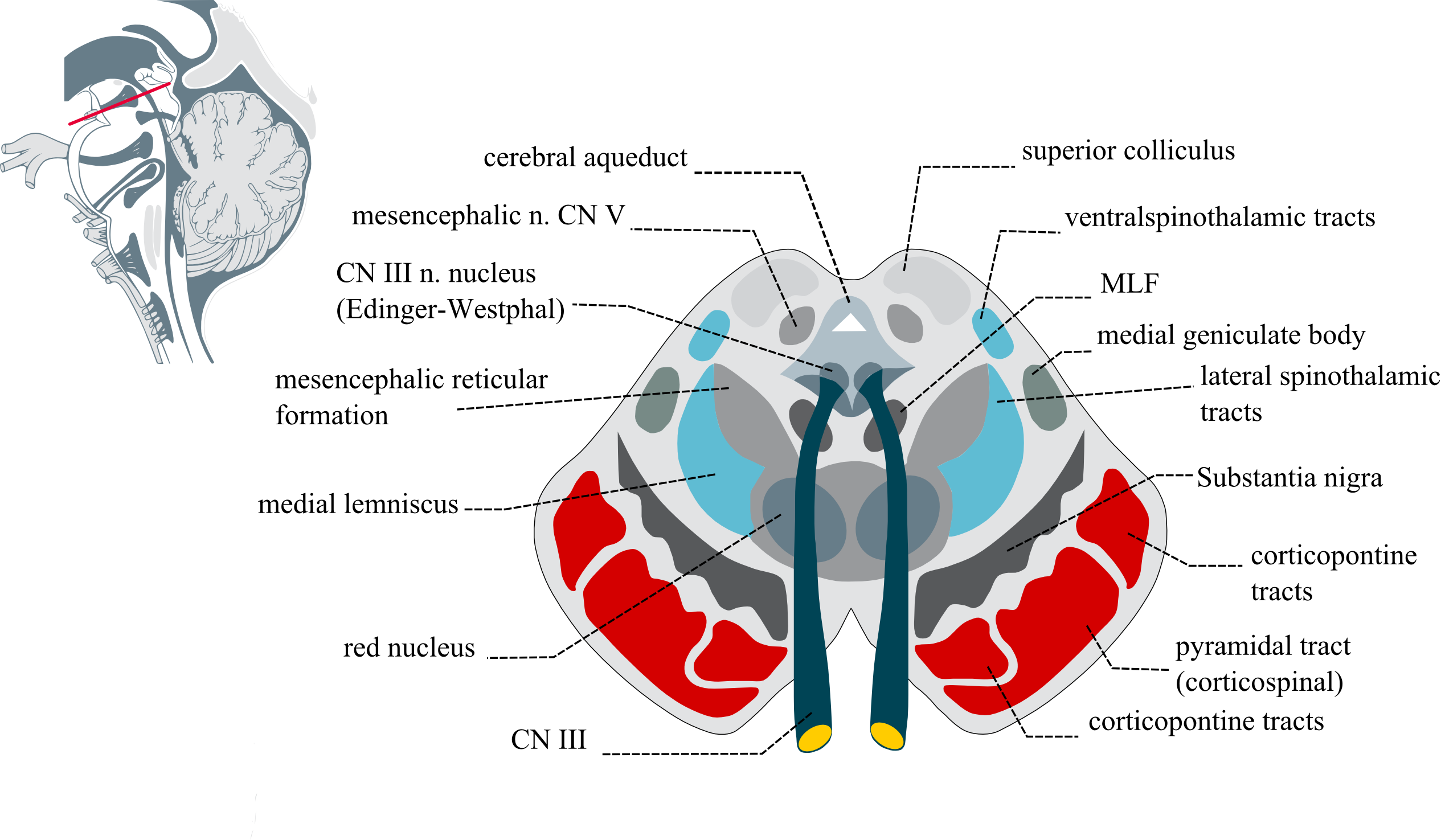
Increasing the efficiency of the mitochondria by using certain supplements (such as coenzyme Q and creatine) which are also available from meat and organs from animal foods is currently being investigated as treatment for Parkinson's Disease. This new paper has some evidence for a mechanism why the mitochondria in the substantia nigra are so vulnerable as to be the canaries in the coal mine.
In the paper, researchers investigated some mouse substantia nigra(s?) and found that those particular neurons have some interesting properties. They seem to pulse in energy output, rather like a pacemaker of some sort. The pacemaking requires a lot of energy, as the cells have to let go of their energy and then build it up again at regular intervals. Since they burn through more energy doing this pacemaking than other dopamine-making neurons in neighboring brain areas, they seem to be more vulnerable to excess oxidative stress. So more vulnerable to burn-out resulting in Parkinson's Disease.
The solution (or, perhaps better stated as the possible prevention) is, of course, always pretty much the same. Eat a diet of nutrient-rich foods and avoid poisons that will stress your brain. Say no to excess fructose, wheat, and omega 6 fatty-acids and fake, processed foods. I have to say that going out into the real world on this vacation (not my kitchen or pantry) shows me once more just how ubiquitous the poisons are. We checked out some "pizza topping" cheese-like substance in a bag right next to the real cheese which looked like mozzarella, but was actually soybean oil, corn starch, and potato starch. Ick! And guess what - that mayonnaise "with olive oil" is still mostly soybean oil. Avoid!
CoEnzyme Q rides around the body in your cholesterol carriers, so sufficient cholesterol is important. We can make creatine, but when we eat it we get it mostly from muscle flesh. Vegetarians are low in creatine.
We have a certain design spec. It is remarkably flexible, yet in the post-industrial age we have managed to scribble far, far outside the lines of what our bodies consider food. Once again, straying too far for too many meals is really not a good idea.
Friday, December 24, 2010
Secrets of the Synapse
Merry Christmas Eve, y'all! I'm in Texas and therefore blogging in a Texas accent currently. Also, I ate some Tex-Mex, which aside from the vegetable oils and corn and cheese and beans is totally paleo. It is too much to hope that the restaurant we went to used the traditional lard.
But life goes on, the year comes to a close, and earlier this month a lovely "Brief Communication" was published in Nature Neuroscience. Now Nature Neuroscience is some hard core brain journaling. I like to think I know more about the brain than the average soul, but when I read the titles of the articles in Nature Neuroscience, I understand the gist of about half of them.
This paper, "Characterization of the proteome, diseases, and evolution of the human synaptic density" is well worth a squint or two. Here's a full text link. What it comes down to is that the researchers were able to find the actual proteins and their associated genes linked to all sorts of neurological disease via human brain sampling and a rather amazing use of free online databases. It's the wikipedia of neuroscience, without the amateur editing, described in a stunning three pages.
Basically, the researchers took brain neocortex samples from 9 adults and used some advanced chemical sorting techniques to to identify all the proteins in the sample, which was calibrated to be a sample of the nerve synapse (specifically the post-synaptic area). Just as when we call all DNA the "genome," when we identify all the proteins, we have what is called a "proteome."
The 748 proteins found in all three replications of the experiment were recorded into a freely available online database. Then the data were compared to the Online Mendelian Inheritance in Man database, which has information about genetic diseases from linkage studies. Linkage studies are usually done comparing siblings and parents with genetic diseases. If there is enough available data, linkage studies will give you sections of chromosomes, and in some cases, even specific genes associated with the diseases (here's a nice mini-primer on the difference between linkage and association genetic studies - my previous post on migraines reviewed an association genetic study).
In short, our researchers compared the data and found 269 diseases resulting from mutations in 199 genes. 133 of these diseases specifically affect the nervous system (80% central, 20% peripheral). Alzheimer's, Parkinson's, Huntington's diseases and disorders resulting in mental retardation, movement disorders and ataxia, epilepsy, and many rare diseases were all scooped up in this analysis.
Breaking down the data further, the scientists found 21 neural phenotypes (a phenotype is a gene expression - we each have genes for blue eyes or brown eyes or both or neither, but our phenotype is our eye color). A phenotype for mental retardation represented 40 genes, while 20 genes represented spasticity. The large number of genes In these sets are thought to mean that the post-synaptic area of the human brain is exceptionally important in these disorders.
The researchers didn't stop there (we're still on the first page of the paper!) The next step was to compare the human data to the much more specific set of mouse data (more specific because we do all sorts of enlightening but gruesome experiments on mice that we are not able to do on humans) From that they were able to find specific sets of genes related to actual cellular morphology linked to certain, especially important "enriched" phenotypes. The enriched phenotypes, associated with lots of neuronal functioning and disease, include components of known very important signaling mechanisms (the NMDA receptor and associated proteins, for example).
Next the human neural coding sequences were compared with various primates and mice using the dN/dS ratio. This data analysis compares the differences in specific samples (the post-synaptic neuron genes from human and chimpanzees, for example) to the expected (average) rate of genetic change over time. Humans and mice diverged 90 million years ago, yet the post-synaptic neuronal genetic dN/dS ratio was "very significantly" less than the variation between the entire human and mouse genome (we're talking a p value of 10 to the -148). Human neuronal genes were, not surprisingly, also very significantly similar to the primate genes studied compared to the whole human and various primate genomes (with similarly minuscule and thus highly significant p values). Mice and rats diverged 20 million years ago from each other, and their post-synaptic genes are also much more similar than you would expect to each other. All this means that the forces of evolution have conserved these important genes over millions of years, meaning they had better work just so, or your offspring won't survive.
The scientists also compared the conservation of these post-synaptic genes to the genes of other areas of the brain (which are also highly conserved), and found the post-synaptic genes were more conserved than the other brain sets, and also more conserved than other genes for basic cellular components (such as the endoplasmic reticulum, the mitochondria, and the nucleus). Highly interconnected "hub" proteins were also more conserved than other post-synaptic genes, showing that the structure of the synapse seems to mediate the evolutionary conservation of the gene sequences involved.
I'll say. It might also show us that animal studies involving the synapse might give us fairly accurate information related to humans, especially compared to information obtained from dietary studies or the like. The information from this study is a holiday present to neuroscientists everywhere. And shows us the vast potential of comparing existing databases to new data to create working protein maps of what is actually going on in the synapse or other biologic systems.
Amazing. Nearly miraculous. One way or another, the secrets of our complex brains will eventually be revealed.
- Posted using BlogPress from my iPhone
But life goes on, the year comes to a close, and earlier this month a lovely "Brief Communication" was published in Nature Neuroscience. Now Nature Neuroscience is some hard core brain journaling. I like to think I know more about the brain than the average soul, but when I read the titles of the articles in Nature Neuroscience, I understand the gist of about half of them.
This paper, "Characterization of the proteome, diseases, and evolution of the human synaptic density" is well worth a squint or two. Here's a full text link. What it comes down to is that the researchers were able to find the actual proteins and their associated genes linked to all sorts of neurological disease via human brain sampling and a rather amazing use of free online databases. It's the wikipedia of neuroscience, without the amateur editing, described in a stunning three pages.
Basically, the researchers took brain neocortex samples from 9 adults and used some advanced chemical sorting techniques to to identify all the proteins in the sample, which was calibrated to be a sample of the nerve synapse (specifically the post-synaptic area). Just as when we call all DNA the "genome," when we identify all the proteins, we have what is called a "proteome."
The 748 proteins found in all three replications of the experiment were recorded into a freely available online database. Then the data were compared to the Online Mendelian Inheritance in Man database, which has information about genetic diseases from linkage studies. Linkage studies are usually done comparing siblings and parents with genetic diseases. If there is enough available data, linkage studies will give you sections of chromosomes, and in some cases, even specific genes associated with the diseases (here's a nice mini-primer on the difference between linkage and association genetic studies - my previous post on migraines reviewed an association genetic study).
In short, our researchers compared the data and found 269 diseases resulting from mutations in 199 genes. 133 of these diseases specifically affect the nervous system (80% central, 20% peripheral). Alzheimer's, Parkinson's, Huntington's diseases and disorders resulting in mental retardation, movement disorders and ataxia, epilepsy, and many rare diseases were all scooped up in this analysis.
Breaking down the data further, the scientists found 21 neural phenotypes (a phenotype is a gene expression - we each have genes for blue eyes or brown eyes or both or neither, but our phenotype is our eye color). A phenotype for mental retardation represented 40 genes, while 20 genes represented spasticity. The large number of genes In these sets are thought to mean that the post-synaptic area of the human brain is exceptionally important in these disorders.
The researchers didn't stop there (we're still on the first page of the paper!) The next step was to compare the human data to the much more specific set of mouse data (more specific because we do all sorts of enlightening but gruesome experiments on mice that we are not able to do on humans) From that they were able to find specific sets of genes related to actual cellular morphology linked to certain, especially important "enriched" phenotypes. The enriched phenotypes, associated with lots of neuronal functioning and disease, include components of known very important signaling mechanisms (the NMDA receptor and associated proteins, for example).
Next the human neural coding sequences were compared with various primates and mice using the dN/dS ratio. This data analysis compares the differences in specific samples (the post-synaptic neuron genes from human and chimpanzees, for example) to the expected (average) rate of genetic change over time. Humans and mice diverged 90 million years ago, yet the post-synaptic neuronal genetic dN/dS ratio was "very significantly" less than the variation between the entire human and mouse genome (we're talking a p value of 10 to the -148). Human neuronal genes were, not surprisingly, also very significantly similar to the primate genes studied compared to the whole human and various primate genomes (with similarly minuscule and thus highly significant p values). Mice and rats diverged 20 million years ago from each other, and their post-synaptic genes are also much more similar than you would expect to each other. All this means that the forces of evolution have conserved these important genes over millions of years, meaning they had better work just so, or your offspring won't survive.
The scientists also compared the conservation of these post-synaptic genes to the genes of other areas of the brain (which are also highly conserved), and found the post-synaptic genes were more conserved than the other brain sets, and also more conserved than other genes for basic cellular components (such as the endoplasmic reticulum, the mitochondria, and the nucleus). Highly interconnected "hub" proteins were also more conserved than other post-synaptic genes, showing that the structure of the synapse seems to mediate the evolutionary conservation of the gene sequences involved.
The human [post-synaptic density sampled for this experiment] has a high degree of molecular complexity, with over 1000 proteins,..combinations of proteins regulate the phenotypes of over 130 brain diseases. It is possible, indeed likely, that the proteins identified represent an overall synaptic parts list, with subsets of synapses containing subsets of these proteins... Our data provide a valuable resource and template for investigating human synapse function and suggest new diagnostic and therapeutic approaches.
I'll say. It might also show us that animal studies involving the synapse might give us fairly accurate information related to humans, especially compared to information obtained from dietary studies or the like. The information from this study is a holiday present to neuroscientists everywhere. And shows us the vast potential of comparing existing databases to new data to create working protein maps of what is actually going on in the synapse or other biologic systems.
Amazing. Nearly miraculous. One way or another, the secrets of our complex brains will eventually be revealed.
- Posted using BlogPress from my iPhone
Tuesday, December 21, 2010
Alzheimer's and HDL
There are a number of December papers I've been wanting to blog about, but other things came up along the way. But here I have a moment before the children come home, and the house is quiet except for the cats... I ought to be wrapping presents... but here is a new Alzheimer's paper to add more confusion to the cholesterol and Alzheimer's information. Overall, the data have suggested that high cholesterol in midlife and low cholesterol in late life both increase risk for the development of Alzheimer's in late life.
As usual the lipid hypothesis holds sway, and when one reads the analysis in the literature, one gets the idea that the high cholesterol in midlife is likely a causative factor, whereas low cholesterol in late life is "part of the disease process." (For example, Grandfather must be eating less because he is getting demented, so his cholesterol drops. For years prior to severe symptoms that might legitimately lead to eating less.) Of course I'm of the opinion that cholesterol is good for the brain. But not too many people listen to me. Or else the The Primal Blueprint Cookbook: Primal, Low Carb, Paleo, Grain-Free, Dairy-Free and Gluten-Free would be in the top 5 bestselling cookbooks rather than number 5 on the Physician's For Responsible Medicine's Worst Cookbooks of the Year. (Hah they even have the huevos to remark upon the silly "low carb animal" vs. "low carb vegetable" study that came out earlier this year as evidence for avoiding Mark's book!!) I think I might pick up a few more books on that list of the worst five, frankly. They look as if they contain many delicious recipes.
Okay, back to the paper. Did you know that more than 50% of the adult US population has high cholesterol? And 1% of people ages 60-69 will develop Alzheimer's, increasing to more than 60% of those over 95. "There is evidence that cholesterol alters the degredation of the amyloid precursor protein" (supposedly bad) but "cholesterol depletion induces [Alzheimer's Disease]-type injuries in cultured hippocampal slices" (now that sounds quite bad.) Overall, the observational studies linking dyslipidemias to Alzheimer's have been inconsistent (with the typical take from the literature what I discussed in the 2nd paragraph above).
Well, high LDL and low HDL have been linked in the past to vascular dementia. Vascular dementia is kind of the brain version of heart disease. Arteries get clogged up with plaque (different plaque, actually, than amyloid plaque, things get blocked, mini-strokes occur, and someone gets gradually demented as the amount of damage builds up. Anyhoo, Alzheimer's is a bit different - neuronal amyloid plaque builds up, then you get inflammation and tau tangles, and neuron damage and death.
The authors of this study wanted to examine a cohort of people after the start of widespread use of lipid-lowering agents (primarily statins) in the 1990s. So these folks in "Northern Manhattan" were recruited from the Medicare roles in 1999-2001, baseline measures of general health and cognitive function were gathered, and they were followed up every 18 months or so. Out of 1130 individuals who completed the study, 101 were diagnosed with AD, 89 diagnosed as having probable AD, and 12 as possible AD (while Alzheimer's Dementia can only be definitively diagnosed via autopsy, there is a characteristic style of progression of memory loss that makes the performance on certain cognitive tests a decent way of diagnosing the disease).
The mean age of onset of the disease was about 83. Higher HDL (especially over 56 mg/dl) was protective after adjusting for all sorts of things, including age, ApoE4 status, sex, education, ethnic group, and even vascular risk factors and lipid-lowering treatment. Interestingly, higher total cholesterol levels and higher LDL cholesterol levels were also protective through all the adjustments except the last two, though became nonsignificant when lipid-lowering treatment and vascular risk factors were adjusted for. (In this cohort, high insulin levels were a strong risk factor also).
The authors put forth the "HDL as garbage trucks" hypothesis of HDL cleaning the cholesterol out, and they postulate the following: "High-density lipoprotein cholesterol might also be linked with small-vessel disease by ...interaction with with APOE and heparan sulfate proteoglycans in the subendothelian space of cerebral microvessels. Thus, a low HDL-C level could precipitate AD through a cerebralvascular pathway." (Or how about this theory, which is my own little edit - high HDL-c is associated with low amounts of inflammation and that is the secret to a healthy brain). And more discussion in the paper is about how the study of lipids and Alzheimer's has been confusing all along, and certainly low HDL is associated with stroke, so maybe also some linked pathology is responsible in AD... and previous cohorts with higher total cholesterol in midlife blah blah... this paper twists and turns about so many times I get confused.
Don't be confused. Let go of the lipid hypothesis. Think inflammation. It's the immune system, not the liver, that is trying to kill us. Then everything becomes clear, and things start making sense again. Peace.
As usual the lipid hypothesis holds sway, and when one reads the analysis in the literature, one gets the idea that the high cholesterol in midlife is likely a causative factor, whereas low cholesterol in late life is "part of the disease process." (For example, Grandfather must be eating less because he is getting demented, so his cholesterol drops. For years prior to severe symptoms that might legitimately lead to eating less.) Of course I'm of the opinion that cholesterol is good for the brain. But not too many people listen to me. Or else the The Primal Blueprint Cookbook: Primal, Low Carb, Paleo, Grain-Free, Dairy-Free and Gluten-Free
would be in the top 5 bestselling cookbooks rather than number 5 on the Physician's For Responsible Medicine's Worst Cookbooks of the Year. (Hah they even have the huevos to remark upon the silly "low carb animal" vs. "low carb vegetable" study that came out earlier this year as evidence for avoiding Mark's book!!) I think I might pick up a few more books on that list of the worst five, frankly. They look as if they contain many delicious recipes. Okay, back to the paper. Did you know that more than 50% of the adult US population has high cholesterol? And 1% of people ages 60-69 will develop Alzheimer's, increasing to more than 60% of those over 95. "There is evidence that cholesterol alters the degredation of the amyloid precursor protein" (supposedly bad) but "cholesterol depletion induces [Alzheimer's Disease]-type injuries in cultured hippocampal slices" (now that sounds quite bad.) Overall, the observational studies linking dyslipidemias to Alzheimer's have been inconsistent (with the typical take from the literature what I discussed in the 2nd paragraph above).
Well, high LDL and low HDL have been linked in the past to vascular dementia. Vascular dementia is kind of the brain version of heart disease. Arteries get clogged up with plaque (different plaque, actually, than amyloid plaque, things get blocked, mini-strokes occur, and someone gets gradually demented as the amount of damage builds up. Anyhoo, Alzheimer's is a bit different - neuronal amyloid plaque builds up, then you get inflammation and tau tangles, and neuron damage and death.
The authors of this study wanted to examine a cohort of people after the start of widespread use of lipid-lowering agents (primarily statins) in the 1990s. So these folks in "Northern Manhattan" were recruited from the Medicare roles in 1999-2001, baseline measures of general health and cognitive function were gathered, and they were followed up every 18 months or so. Out of 1130 individuals who completed the study, 101 were diagnosed with AD, 89 diagnosed as having probable AD, and 12 as possible AD (while Alzheimer's Dementia can only be definitively diagnosed via autopsy, there is a characteristic style of progression of memory loss that makes the performance on certain cognitive tests a decent way of diagnosing the disease).
The mean age of onset of the disease was about 83. Higher HDL (especially over 56 mg/dl) was protective after adjusting for all sorts of things, including age, ApoE4 status, sex, education, ethnic group, and even vascular risk factors and lipid-lowering treatment. Interestingly, higher total cholesterol levels and higher LDL cholesterol levels were also protective through all the adjustments except the last two, though became nonsignificant when lipid-lowering treatment and vascular risk factors were adjusted for. (In this cohort, high insulin levels were a strong risk factor also).
The authors put forth the "HDL as garbage trucks" hypothesis of HDL cleaning the cholesterol out, and they postulate the following: "High-density lipoprotein cholesterol might also be linked with small-vessel disease by ...interaction with with APOE and heparan sulfate proteoglycans in the subendothelian space of cerebral microvessels. Thus, a low HDL-C level could precipitate AD through a cerebralvascular pathway." (Or how about this theory, which is my own little edit - high HDL-c is associated with low amounts of inflammation and that is the secret to a healthy brain). And more discussion in the paper is about how the study of lipids and Alzheimer's has been confusing all along, and certainly low HDL is associated with stroke, so maybe also some linked pathology is responsible in AD... and previous cohorts with higher total cholesterol in midlife blah blah... this paper twists and turns about so many times I get confused.
Don't be confused. Let go of the lipid hypothesis. Think inflammation. It's the immune system, not the liver, that is trying to kill us. Then everything becomes clear, and things start making sense again. Peace.
Saturday, December 18, 2010
Compulsion (with opera)
In this post I mean to review the basic neurobiology of compulsive behavior (uh oh, 90% of you just turned off your computers and started watching past episodes of "Top Chef, Just Desserts" - and how could Morgan not have won, anyway?), and also figure out why Dr. Garner's presumably serotonin deficient, hair-pulling mice began scratching and removing hair MORE on a serotonin-promoting mouse chow diet with added glucose and tryptophan.
To understand what might be happening, we have to back up and talk about obsessions and compulsions and where they exist in the brain. For everything we are has a place in the brain (right click in new tab for a song).
Compulsions mean performing unpleasantly repetitive or seemingly unnecessary acts in order to prevent perceived negative consequences ("step on a crack, break your mother's back"). Scratching, hair pulling and twisting do fit under that definition, as people often perform the behavior to stave off anxiety. Impulsivity is the predisposition toward rapid, thoughtless acts without regard for the eventual negative consequences (such as gambling or uncontrolled aggression), and hair-pulling (trichotillomania) and picking may also fall under this category. At first glance, compulsion and impulsivity may seem opposites, but they run in parallel neuronal tracts, and people with symptoms of one will often have symptoms of the other.
The compulsive and impulsive psychiatric diseases are among the most highly inherited diseases in psychiatry. Obsessive compulsive disorder, ADHD, Tourette's, autism, and substance abuse disorders indisputably run in families, suggesting (more even than for other psychiatric disorders) physical brain differences between those susceptible to the disorders and those who are not. Children with autism, for example, are likely to have tics or repetitive physical movements consistent with Tourette's or OCD, or impulsivity consistent with ADHD, or both. Those obsessively driven to drink or gamble are also more likely to be impulsive as well. There are all sorts of subcategories of different kinds of obsessive and impulsive behavior that exist along different neuronal tracts - the complexity, therefore, is immense.
However, one can conceptualize the brain as doing two things for impulsive behavior and compulsions. On one hand, the brain has tracts that promote these behaviors - these tracts generally run from the center, more "primal" parts of the brain up to the outer "civilized" cortex. The cortex tends to work in the opposite direction, inhibiting compulsions and impulsivity. Therefore one can become vulnerable to these behaviors via two means - either by problems that increase the "primal" signals from the center of the brain, or by problems that block the "civilizing" influence of the outer shell of the brain.
In terms of neurotransmitters, serotonin deficiency is thought to be responsible in part for anxiety driven behaviors, obsessions, skin-picking, hair-pulling, etc. Dopamine deficiency in the cortex is responsible for impulsivity (such as in ADHD). However, dopamine excess is thought to be responsible for motor tics, tapping in autism, for example, and other obsessive physical acts.
But let's bring it back to Garner's mice. They are genetically prone to hair-pulling behavior (Jaminet postulates this is due to a predominant Th1 immune/inflammation response to infection), and the hair-pulling worsened with increasing serotonin turnover in the brain, despite the "general rule" that anxiety and picking/hair-pulling behaviors are due to serotonin deficiency.
(In the mood for more opera? If so, how about this classic?)
But not so fast. There may not be as much of a mystery as we like to think. In his paper, Garner brought up the fact that SSRIs (selective serotonin reuptake inhibitors), while used to treat trichotillomania, can also induce skin-picking behaviors in some. His idea (I'm stretching, a bit) by the end of the paper was that this particular strain of mice would be a bad candidate for SSRI treatment. He may be right, but he may be wrong, because increasing serotonin turnover in the brain via diet is not the same as administering an SSRI.
The problem with thinking we know anything about the human brain is that the brain is immensely complex. Remember - a hundred billion neurons with 10,000 interconnections EACH who fire up to 1000 times per second. And when we strictly limit ourselves to serotonin, we are talking 20 different flavors of receptors, each doing subtly different things. Garner's mouse diet increased serotonin turnover overall in the brain, presumably jacking up the general serotonin signal. Well, there are mouse models for everything, and some have shown that increasing the activation of the serotonin 2C receptor (5-HT2C receptor) increases compulsive behavior, just like in Garner's mice.
SSRIs work a little differently than just blanket administration of serotonin in the brain. SSRIs result in the downregulation of the post-synaptic receptors, among them 5-HT2C. Therefore they will (in general) decrease the overall signal away from compulsion, perhaps relieving symptoms. SSRIs will tend to favor serotonin signal to another receptor, the serotonin 2A receptor. Activating this receptor tends to reduce anxiety and compulsions.
(more music)
Psychiatrists use a whole host of SSRIs (prozac, paxil, zoloft, celexa, lexapro ect. ect. yawn yawn) but only one serotonin receptor activator (buspar, a 5HT2A agonist which may well be one of the most useless medicines we have in my experience). For better or worse, and for all their limitations, SSRIs do a better job of modulating the anxiety/compulsion symptoms than straight-up administration of serotonin (via a tryptophan promoting diet or tryptophan supplements).
Again, the medicines are not my interest in this blog, but our knowledge of how they work, and the animal models, give us clues as to how our brains work, and that I find interesting. Are our brains better off with a diet of whole foods with just enough omega 3s, not too many omega 6s, no weird industrial designer pseudofood or toxic plant proteins? Most likely. And Garner's mice tell us that straying from the design parameters of the diet our brain likes may well cause major problems. And that sugar and tryptophan supplementation may cause major problems, if we share genetic vulnerabilities with his mice.
That is one theory. I also question whether kyurnetic and inflammation in general were escalated with Garner's mice's experimental diet. From my comments on Dr. Jaminet's post:
To understand what might be happening, we have to back up and talk about obsessions and compulsions and where they exist in the brain. For everything we are has a place in the brain (right click in new tab for a song).
Compulsions mean performing unpleasantly repetitive or seemingly unnecessary acts in order to prevent perceived negative consequences ("step on a crack, break your mother's back"). Scratching, hair pulling and twisting do fit under that definition, as people often perform the behavior to stave off anxiety. Impulsivity is the predisposition toward rapid, thoughtless acts without regard for the eventual negative consequences (such as gambling or uncontrolled aggression), and hair-pulling (trichotillomania) and picking may also fall under this category. At first glance, compulsion and impulsivity may seem opposites, but they run in parallel neuronal tracts, and people with symptoms of one will often have symptoms of the other.
The compulsive and impulsive psychiatric diseases are among the most highly inherited diseases in psychiatry. Obsessive compulsive disorder, ADHD, Tourette's, autism, and substance abuse disorders indisputably run in families, suggesting (more even than for other psychiatric disorders) physical brain differences between those susceptible to the disorders and those who are not. Children with autism, for example, are likely to have tics or repetitive physical movements consistent with Tourette's or OCD, or impulsivity consistent with ADHD, or both. Those obsessively driven to drink or gamble are also more likely to be impulsive as well. There are all sorts of subcategories of different kinds of obsessive and impulsive behavior that exist along different neuronal tracts - the complexity, therefore, is immense.
However, one can conceptualize the brain as doing two things for impulsive behavior and compulsions. On one hand, the brain has tracts that promote these behaviors - these tracts generally run from the center, more "primal" parts of the brain up to the outer "civilized" cortex. The cortex tends to work in the opposite direction, inhibiting compulsions and impulsivity. Therefore one can become vulnerable to these behaviors via two means - either by problems that increase the "primal" signals from the center of the brain, or by problems that block the "civilizing" influence of the outer shell of the brain.
In terms of neurotransmitters, serotonin deficiency is thought to be responsible in part for anxiety driven behaviors, obsessions, skin-picking, hair-pulling, etc. Dopamine deficiency in the cortex is responsible for impulsivity (such as in ADHD). However, dopamine excess is thought to be responsible for motor tics, tapping in autism, for example, and other obsessive physical acts.
But let's bring it back to Garner's mice. They are genetically prone to hair-pulling behavior (Jaminet postulates this is due to a predominant Th1 immune/inflammation response to infection), and the hair-pulling worsened with increasing serotonin turnover in the brain, despite the "general rule" that anxiety and picking/hair-pulling behaviors are due to serotonin deficiency.
(In the mood for more opera? If so, how about this classic?)
But not so fast. There may not be as much of a mystery as we like to think. In his paper, Garner brought up the fact that SSRIs (selective serotonin reuptake inhibitors), while used to treat trichotillomania, can also induce skin-picking behaviors in some. His idea (I'm stretching, a bit) by the end of the paper was that this particular strain of mice would be a bad candidate for SSRI treatment. He may be right, but he may be wrong, because increasing serotonin turnover in the brain via diet is not the same as administering an SSRI.
The problem with thinking we know anything about the human brain is that the brain is immensely complex. Remember - a hundred billion neurons with 10,000 interconnections EACH who fire up to 1000 times per second. And when we strictly limit ourselves to serotonin, we are talking 20 different flavors of receptors, each doing subtly different things. Garner's mouse diet increased serotonin turnover overall in the brain, presumably jacking up the general serotonin signal. Well, there are mouse models for everything, and some have shown that increasing the activation of the serotonin 2C receptor (5-HT2C receptor) increases compulsive behavior, just like in Garner's mice.
SSRIs work a little differently than just blanket administration of serotonin in the brain. SSRIs result in the downregulation of the post-synaptic receptors, among them 5-HT2C. Therefore they will (in general) decrease the overall signal away from compulsion, perhaps relieving symptoms. SSRIs will tend to favor serotonin signal to another receptor, the serotonin 2A receptor. Activating this receptor tends to reduce anxiety and compulsions.
(more music)
Psychiatrists use a whole host of SSRIs (prozac, paxil, zoloft, celexa, lexapro ect. ect. yawn yawn) but only one serotonin receptor activator (buspar, a 5HT2A agonist which may well be one of the most useless medicines we have in my experience). For better or worse, and for all their limitations, SSRIs do a better job of modulating the anxiety/compulsion symptoms than straight-up administration of serotonin (via a tryptophan promoting diet or tryptophan supplements).
Again, the medicines are not my interest in this blog, but our knowledge of how they work, and the animal models, give us clues as to how our brains work, and that I find interesting. Are our brains better off with a diet of whole foods with just enough omega 3s, not too many omega 6s, no weird industrial designer pseudofood or toxic plant proteins? Most likely. And Garner's mice tell us that straying from the design parameters of the diet our brain likes may well cause major problems. And that sugar and tryptophan supplementation may cause major problems, if we share genetic vulnerabilities with his mice.
That is one theory. I also question whether kyurnetic and inflammation in general were escalated with Garner's mice's experimental diet. From my comments on Dr. Jaminet's post:
Just want to add to my speculation about increasing inflammation (which I think is the more likely scenario) – tryptophan is [a] precursor for both serotonin and kyrunetic. The former helps modulate major brain circuitry communication, the latter seems to encourage excitatory communication, and in excess will be neurotoxic. Kyurnetic is elevated in cases of inflammation. SSRIs increase serotonin initially, but then after 2 weeks, the post synaptic receptors are down regulated, so the overall effect is not so much to increase serotonergic transmission, but to make what transmission there is go through more efficiently. SSRIs also seem to favor the metabolic pathway of tryptophan to serotonin rather than kyrurnetic.So, take your pick. But there are many plausible methods by which increasing tryptophan can increase picking/hair-pulling behaviors, and more and more reasons to eat well from the beginning.
It is possible that by massively increasing the tryptophan uptake into the brain in the context of the baseline inflammatory diet and a genetically vulnerable mouse population, there were increases in kyurnetic, leading to neurotoxicity and mouse psychopathology. I’m not a big fan of l tryptophan and 5 htp for that reason – I know you are not a fan due to tryptophan's role in the infectious theory of neurotoxicity. Since this scenario probably occurs in the human brain as well, it makes one wonder about our USDA diets.
Thursday, December 16, 2010
Scratchy
Purdue University and its mice hit the nutrition news this week with the work of Dr. Joseph Garner and his team. Their paper, "Nutritional up-regulation of serotonin paradoxically induces compulsive behavior" was published in Nutritional Neuroscience, and prompted several reports and tweets rather like this one. Jad supplied me with a links in the comments to That Tapeworm Ate Your Depression, and Jamie emailed me the abstract as well. No one was going to let Mark Sisson get the jump on me this time!
And, to be sure, this paper and the work are pretty neat. As far as I know, it may be the only paper showing a definitive development of psychopathology with an adjustment of diet. So that's a big deal!
A little background - serotonin is a neurotransmitter in part responsible for calm, happiness, and whatever the opposite of wanting to kill yourself is - contentment and serenity with living in your own skin, I would say. I talked about serotonin in several blog posts:
The Evolution of Serotonin
More About Sunlight, Food, and Serotonin
As did Jamie:
Midwinter Blues
More Serotonin
Brain Dump on Serotonin
It is common knowledge that eating carbs will increase serotonin levels in the brain. Basically, carbohydrates increase the brain's ability to import tryptophan, the amino acid precursor to serotonin, through the blood brain barrier. It shouldn't surprise you that eating tryptophan can also increase the transport of tryptophan through the blood brain barrier. Well, Dr. Garner and team searched the literature and quantified the whole thing, and figured out that if one increases carbohydrate:protein ratio a certain amount and increases tryptophan a certain amount, serotonin creation in the brain goes lickety split, zoom zoom - and if you do that, hey, maybe you get a calm happy la-la land of serotonin peace coma, rather like Thanksgiving afternoon after turkey, mashed potatoes, and pie.
Instead he got scratchy mice. But I'm skipping to the end. Enter the mice - happy mice in their standard cages on their standard mice chow control diet or treatment diet, in a double-blinded (actually, they only called it blinded, as maybe the mice knew, but couldn't tell anyone) crossover trial.
Read about the control diet and try not to gag too much:
Casein 24%
Soybean Oil 10%
Cornstarch 52.3%
Sucrose 5%
Fiber (cellulose) 4%
Vitamin and mineral mix
Choline 0.2%
Overall it was 24% protein and 57.3% carbohydrate, and only 10% fat, mostly polyunsaturated omega 6 vegetable oils. Kind of the USDA dream diet, really - skim milk derivative and vitamin-enriched low sugar corn cereal, kids! (It is noted that all the mice gained weight when allowed to eat ad libitum during this experiment, though the treatment mice gained more than the controls).
The treatment diet had an increased carbohydrate to protein ratio with a little extra tryptophan, and a big bolus of sugar in the form of dextrose (which is two glucose molecules hooked together - or not, it is just glucose molecules. Thank you Jim, maltose, not dextrose, is glucose-glucose)
Casein 12%
Methionine 0.4%
Tryptophan 0.9%
Soybean Oil 10%
Cornstarch 30%
Dextrose 33%
Sucrose 5%
Fiber (cellulose) 4%
Vitamin and mineral mix
Choline 0.2%
These mice have a little issue, in that they engage in behavior called "barbering." Meaning they pull out their own hair and the hair of their cage mates (they pull out their own hair in a particular pattern, and cage mates in a different pattern, so the hair-pulling can be differentiated. Humans with a rather common (3-4% of women) behavior called trichotillomania also compulsively twist hair until breaking and pull out hair, eyebrows, and eyelashes. It is thought that trichotillomania is due to a serotonin deficiency, so it would make sense to test this hypothesis by using a mouse model and a diet designed to increase serotonin in the brain.
So after the mice were fed their diets, and the amount of barbering was measured, and the amount of scratching was measured during a "spray test," and then the mice were decapitated, the brains were put on ice and eventually homogenized and analyzed for serotonin and other neurotransmitter amounts.
As expected, treatment diet increased whole brain metabolites of serotonin and decreased the ratio of serotonin to the metabolite - consistent with increased serotonin synthesis and metabolism. Dopamine metabolites were also reduced, consistent with the general principle that when serotonin is increased, dopamine is suppressed.
However, the treatment diet, which definitely increased serotonin turnover, actually increased barbering behavior. Scratching scores were doubled. In addition, a deadly skin infection seemed to plague the treatment mice, especially the female mice. Basically, a diet low in protein and fat and high in sugar led to hair-pulling, scratching, and death via skin infection in this mouse model of trichotillomania.
So, what the heck is going on? If trichotillomania is caused by low serotonin, why would increasing serotonin metabolism cause more picking? SSRIs, which also affect serotonin, are used to treat trichotillomania. However, any psychiatrist in practice will know that SSRIs can also induce skin-picking behavior in vulnerable individuals that will go away once the SSRI is withdrawn.
Skin-picking and grooming are basic primate behaviors. Observe any group of monkeys or chimps and they seem to spend a lot of time grooming each other. These activities are thought to be mediated by serotonin. High amounts of dopamine can also cause compulsive tapping (as in OCD or autism) and tic behaviors. It is interesting that women, who seem to be more vulnerable to serotonin pathology, are four times as likely to have trichotillomania as men, but men, who are more vulnerable to dopamine pathology, have much higher rates of tapping and tics.
I conceptualize serotonin and dopamine levels in the brains as see-saws. Sometimes pushing the see-saw one way with diet or a pharmacologic agent will result in the see-saw becoming balanced, sometimes pushing it will unbalance it further. So some folks with trichotillomania will improve with an SSRI, and other folks with no picking problems will start to pick when given an SSRI. And these mice, apparently, do not do well with increased serotonin turnover. Of course one has to wonder what such a diet would do to our psychopathology.
More on the neurobiology of compulsions and trichotillomania in the next post. If I get through the articles. Reading about trichotillomania always makes me itch.
And, to be sure, this paper and the work are pretty neat. As far as I know, it may be the only paper showing a definitive development of psychopathology with an adjustment of diet. So that's a big deal!
A little background - serotonin is a neurotransmitter in part responsible for calm, happiness, and whatever the opposite of wanting to kill yourself is - contentment and serenity with living in your own skin, I would say. I talked about serotonin in several blog posts:
The Evolution of Serotonin
More About Sunlight, Food, and Serotonin
As did Jamie:
Midwinter Blues
More Serotonin
Brain Dump on Serotonin
It is common knowledge that eating carbs will increase serotonin levels in the brain. Basically, carbohydrates increase the brain's ability to import tryptophan, the amino acid precursor to serotonin, through the blood brain barrier. It shouldn't surprise you that eating tryptophan can also increase the transport of tryptophan through the blood brain barrier. Well, Dr. Garner and team searched the literature and quantified the whole thing, and figured out that if one increases carbohydrate:protein ratio a certain amount and increases tryptophan a certain amount, serotonin creation in the brain goes lickety split, zoom zoom - and if you do that, hey, maybe you get a calm happy la-la land of serotonin peace coma, rather like Thanksgiving afternoon after turkey, mashed potatoes, and pie.
Instead he got scratchy mice. But I'm skipping to the end. Enter the mice - happy mice in their standard cages on their standard mice chow control diet or treatment diet, in a double-blinded (actually, they only called it blinded, as maybe the mice knew, but couldn't tell anyone) crossover trial.
Read about the control diet and try not to gag too much:
Casein 24%
Soybean Oil 10%
Cornstarch 52.3%
Sucrose 5%
Fiber (cellulose) 4%
Vitamin and mineral mix
Choline 0.2%
Overall it was 24% protein and 57.3% carbohydrate, and only 10% fat, mostly polyunsaturated omega 6 vegetable oils. Kind of the USDA dream diet, really - skim milk derivative and vitamin-enriched low sugar corn cereal, kids! (It is noted that all the mice gained weight when allowed to eat ad libitum during this experiment, though the treatment mice gained more than the controls).
The treatment diet had an increased carbohydrate to protein ratio with a little extra tryptophan, and a big bolus of sugar in the form of dextrose (which is two glucose molecules hooked together - or not, it is just glucose molecules. Thank you Jim, maltose, not dextrose, is glucose-glucose)
Casein 12%
Methionine 0.4%
Tryptophan 0.9%
Soybean Oil 10%
Cornstarch 30%
Dextrose 33%
Sucrose 5%
Fiber (cellulose) 4%
Vitamin and mineral mix
Choline 0.2%
These mice have a little issue, in that they engage in behavior called "barbering." Meaning they pull out their own hair and the hair of their cage mates (they pull out their own hair in a particular pattern, and cage mates in a different pattern, so the hair-pulling can be differentiated. Humans with a rather common (3-4% of women) behavior called trichotillomania also compulsively twist hair until breaking and pull out hair, eyebrows, and eyelashes. It is thought that trichotillomania is due to a serotonin deficiency, so it would make sense to test this hypothesis by using a mouse model and a diet designed to increase serotonin in the brain.
So after the mice were fed their diets, and the amount of barbering was measured, and the amount of scratching was measured during a "spray test," and then the mice were decapitated, the brains were put on ice and eventually homogenized and analyzed for serotonin and other neurotransmitter amounts.
As expected, treatment diet increased whole brain metabolites of serotonin and decreased the ratio of serotonin to the metabolite - consistent with increased serotonin synthesis and metabolism. Dopamine metabolites were also reduced, consistent with the general principle that when serotonin is increased, dopamine is suppressed.
However, the treatment diet, which definitely increased serotonin turnover, actually increased barbering behavior. Scratching scores were doubled. In addition, a deadly skin infection seemed to plague the treatment mice, especially the female mice. Basically, a diet low in protein and fat and high in sugar led to hair-pulling, scratching, and death via skin infection in this mouse model of trichotillomania.
So, what the heck is going on? If trichotillomania is caused by low serotonin, why would increasing serotonin metabolism cause more picking? SSRIs, which also affect serotonin, are used to treat trichotillomania. However, any psychiatrist in practice will know that SSRIs can also induce skin-picking behavior in vulnerable individuals that will go away once the SSRI is withdrawn.
Skin-picking and grooming are basic primate behaviors. Observe any group of monkeys or chimps and they seem to spend a lot of time grooming each other. These activities are thought to be mediated by serotonin. High amounts of dopamine can also cause compulsive tapping (as in OCD or autism) and tic behaviors. It is interesting that women, who seem to be more vulnerable to serotonin pathology, are four times as likely to have trichotillomania as men, but men, who are more vulnerable to dopamine pathology, have much higher rates of tapping and tics.
I conceptualize serotonin and dopamine levels in the brains as see-saws. Sometimes pushing the see-saw one way with diet or a pharmacologic agent will result in the see-saw becoming balanced, sometimes pushing it will unbalance it further. So some folks with trichotillomania will improve with an SSRI, and other folks with no picking problems will start to pick when given an SSRI. And these mice, apparently, do not do well with increased serotonin turnover. Of course one has to wonder what such a diet would do to our psychopathology.
More on the neurobiology of compulsions and trichotillomania in the next post. If I get through the articles. Reading about trichotillomania always makes me itch.
Wednesday, December 15, 2010
Subscribe to:
Posts (Atom)