David Kessler wrote an interesting book last year called The End of Overeating, in which he examined the nature of the food industry in America today and how it might contribute to overeating and obesity. Kessler's book takes up where Fast Food Nation left off - Fast Food Nation will make you never want to eat at a fast food restaurant again, (and also, since reading it I've used as much sterile technique as I can in handling industrial beef and chicken in my own kitchen.) The End of Overeating examines many of the menu items and advertising for our favorite chain restaurants (Chilis, TGI Fridays, those sorts of places), noting that most of the food is purposefully made "hyperpalatable" with generous heapings of fat, salt, and sugar. He contends that this combination short-circuits our appetite regulatory system, so we eat more and more, and begin gaining weight, when weight gain has been such an unusual problem historically for the human species.
I agree that the types of food (particularly wheat, sugar, vegetable oils, and other highly refined carbohydrates) seem to drive us into addictive behaviors when it comes to eating (and as I mentioned in the Wheat and Schizophrenia post, there is some biological evidence that gluten and beta casein A1 activate opiate receptors). All the pretty, pretty advertising with those short ribs dripping in sugar and doesn't help get the message across that those short ribs (or really, the sugary sauce) should be a special treat, rather than a daily indulgence. But at the heart of the idea that the industry is manipulating our food and our eating is still that idea that we are weak, that we are gluttons, and if only we could get ourselves in hand, we wouldn't be fat. That the food industry is playing to our weakness and leading us along the path to disease and obesity.
We aren't weak. And guess what, if you are obese, it is not because you are a glutton. It really is your glands (if one can use 'glands' in a broad sense to encompass the hormonal environment and appetite regulatory systems). Really. And the only way that obesity is genetic is that some people will be more vulnerable to the hormonal impact of all the trashy food we eat that is not actually, truly, fit for human consumption. Stick to whole, real food and ditch the wheat, vegetable oil, and sugar (and if you are obese, cut down your carbohydrates in general), and you don't have to worry about bowing to food industry's every whim.
"Naturally" skinny folks - even you (unless you are extremely lucky) will slowly, inevitably put on visceral fat over the years on a Western diet. Half the people who die of heart attacks aren't obese. At least those of us who tend to put on a bit of fat have an early warning sign and, perhaps, a bit more motivation to get cracking on cleaning up our foods.
But there is that little niggling fact that there are addictive qualities to processed modern foods. And when you are newly breaking the habit, or if you are feeling emotionally overwhelmed, it can be easy to slip back into the happy world of drippy sugar sauce and shiny, shiny glazed doughnuts.
The End Of Overeating's most interesting message, I think, is in the idea of "food rehab." He recommends the most effective behavioral method around (and an ancient method designed to keep us from eating poisonous things!) for conquering cravings - disgust. What has helped for me is a reading/educational program (hardly sexy - it's not a 5 day diet or a juice fast - it's a reading/educational program!). Fast Food Nation, Michael Pollan's books, Food Inc., The End of Overeating, Good Calories, Bad Calories, and The Unhealthy Truth will get you hopping mad, and sickened. When you get the idea drilled into your head that processed sugar/vegetable oil bombs are actually poison, and that little bit of bile rises to the back of the throat when you think about eating them, the cravings ain't so bad. Read about The Lady's Brunch Burger, preferably after you have eaten a large, satisfying meal. If you are the kind who gets fired up about corporate conspiracy and the government's seeming lack of protection of our interests (for example, our health), then these books are the books for you.
And if you are the kind of person who must have what you "cannot" have, remember, the paleo way of eating is not about being a martyr. It's about eating food we're evolved to eat most of the time to hopefully reduce the risks of western disease. It doesn't mean you can never have a shiny, shiny glazed doughnut again. It will throw your hormones out of whack for a bit, and if you are trying to lose fat, it will slow the process down. But in the whole scheme of the million calories we consume over the year, that Sunday morning doughnut is not such a big deal. Don't be surprised, however, if it doesn't appeal to you after a while. And that's okay too.
(And now a little side rant about what the nutritional guidelines have done to our food - all those sad skinless chicken breasts and "lite" vegetable oil dressings... they made real food the enemy, when it has nurtured and sustained us for thousands of generations. Science is a powerful tool, but if you don't have common sense, it will lead you very far astray.)
Off to have a square of chocolate now. Remember, chocolate is a vegetable (70% cacao and higher, that is).
Monday, June 21, 2010

Sunday, June 20, 2010
Vegetable Oils and our Brave New World
A quick review of the basic premise, this new lens through which I examine nutrition, general health, and mental health: humans beings will have the best chance of good physical and mental health by staying true to the diet and activities that we are evolved for. Let's get back to diet for the moment and focus on some of the differences between what we eat today, and what physically healthy peoples and cultures ate. Much of the following information is taken from Food and Western Disease (never leave home without it).
We know from several hundred years of good observation and anthropology that healthy peoples ate a wide variety of different foods, with vastly differing percentages of macronutrients (primarily differences in carbohydrates and fats - protein is usually around 15-30% of calories). The types and quality of the food they ate, however, universally differed from our current diet in the following ways:
1) no wheat, and if grain-based the grains are carefully prepared to minimize antinutrients
2) minimal amounts of omega 6 fatty acids balanced with omega 3 fatty acids (or vast amounts of omega 3)
3) reliance on whole foods with no industrial processing (therefore no highly refined carbohydrates or sugar other than perhaps seasonal raw honey and wild fruits)
In my opinion, one doesn't need to understand the science or biochemistry of these differences to go forward with a paleolithic-style diet based on the time-tested diets of healthy cultures. However, I'm interested in what it is about these differences that might cause Western disease.
I'm going to focus on #2 at the moment, and introduce a fading star of the "heart-healthy diet," vegetable oils. (Or not so fading star - this recent article trumpets vegetable oil as the second coming, though, as always, Stephan at Whole Health Source has a reasoned review.)
Corn oil, safflower oil, sunflower oil, peanut oil and/or soybean oil are ingredients in pretty much all processed food. Just check the list on the back. They are in breakfast cereal, bread and other baked goods, and also in fried items, salad dressings, mayonnaise, sauces, and are used (along with canola oil) in the fryers at most restaurants. They are cheap and relatively tasteless, which makes them perfect for certain industrial and restaurant food applications. They are also universally high in omega 6 fatty acids, and therefore we eat a ton of them in the Western diet, especially since throwing out butter, lard, and beef tallow 30-40 years ago.
How could this possibly matter? Omega 6 fatty acids are a type of PUFA (polyunsaturated fatty acid), which are required by the body to make certain hormones and signaling molecules. Omega 6 PUFAs are "essential" fatty acids - we can't make these signaling molecules without them, and we need them to live. PUFAs are made into HUFAs (highly unsaturated fatty acids - which isn't all that vital to this discussion but I like to say 'HUFA'), and omega 6 PUFAs (in particular linoleic acid) are made into the HUFA arachidonic acid. Arachidonic acid (AA) is the precursor for all sorts of *inflammatory* signaling molecules, including (as an example) COX-1 and COX-2 (which are blocked by ibuprofen and other NSAIDS that decrease pain and inflammation). (Here is a very understandable review of eicosanoids.)
Too much inflammation mediated by a high dietary percentage of the omega 6 fatty acid linoleic acid (the predominant fatty acid in corn oil) can be reasonably associated with coronary vascular disease, insulin resistance, cancer, hypothyroidism and other autoimmune diseases, thrombotic stroke, headaches, asthma, arthritis,(1) melanoma, depression, and psychosis.
But why do I keep harping on "balance" and those omega 3 PUFAs? Well, turns out the omega 3s (wild fish oil is the best source, but it is also available in grass-fed animal fat, other kinds of seafood, flax, and in more balanced levels with omega 6 in walnuts and macadamia nuts) compete in the body with the omega 6s in every which way. Omega 3s are precursors for anti-inflammatory signal molecules (which, obviously, counteract the inflammatory signal molecules). We can only store so much of either, so if we eat omega 3, we displace some of the omega 6 from our systems. Supplementing with omega 3 fatty acids has been shown to be beneficial in a number of major diseases (2). Again, we need both to survive, but if we max out on the omega 6 without any omega 3, we end up with a highly inflammatory soup of chemicals stored and floating around in our bodies predisposing us to that list again - cancer, diabetes, obesity, depression, heart disease, and autoimmune diseases.
Here are some numbers from Food and Western Disease about ratios of of omega 6 to omega 3 fatty acids in different populations (from page 46):
Omega 6/ Omega 3 ratio
Coastal fishing populations: <1
Hunter-gatherers: 2-3
Greece in the 1900s: 2
Japan today: 4
Northern Europe today: 15
USA today: 17
And here's the real kicker about the modern diet - first we load ourselves up with vegetable oils to create a large reservoir of pro-inflammatory molecules, and then add a soup of what are thought to be highly allergenic and pro-inflammatory proteins (gluten, gliadin, beta casein A1, proteins from peanuts and similar proteins from genetically modified soy, etc. etc.). Our modern diseases can almost always be linked back to inflammation of some kind. In my mind, this combination explains why my schedule is full every day.
How can you eat less omega 6 and more omega 3? One way is to eat more paleo. Get rid of the processed food. Use olive oil and vinegar instead of supermarket salad dressing. Balance out nuts (relatively high in omega 6 too) with some fish oil from wild caught fish. Poultry fat is relatively higher in omega 6, so eat grass fed beef and wild caught fish in a nice balance with your chicken and turkey.
And here's where I really part ways with the Grand Poohbahs of nutritional recommendations - you can eat more saturated fat. (Really. It won't kill you.) Instead of baking with industrial seed oils, use butter or coconut oil. They are neutral players in the omega 3 omega 6 fat war, and plenty of healthy cultures eat a reasonable or even high amount of saturated fat (the Masai, the Kitavans, the Tokelau) and they don't drop dead of heart attacks at age 50. Or 75. Pastured butter, bone marrow, and other yummy, more traditional treats are high in saturated fats are also the best sources of some vitamins we need but just don't get in our modern diet. But more on that later.
See, here's what has happened with the nutritional recommendations over the years. First we were told not to eat saturated fat and foods high in cholesterol. It was figured out almost immediately that foods high in cholesterol (such as eggs) don't cause heart disease or even elevated cholesterol in humans, but that was deemed confusing, so the message changed to don't eat saturated fat. At first everyone was moved over to the PUFAs - vegetable oils, including all that deadly trans fat margarine, but then it was discovered that PUFAs cause cancer and trans fats are horrible, so the message switched to 'eat low fat!' We're fairly restricted in the amount of protein we can eat anyway, so a low fat diet is therefore very high in carbohydrates (our particularly vicious mix of sugar and wheat). Then everyone following this advice got REALLY fat and diabetes incidence exploded. So THEN there was more backpedaling, and the message has changed to "healthy fats" (the omega 3s and olive oil), and "whole grains" (which when eaten without careful preparation as we eat them now *may* contribute to the problem) of a Mediterranean diet. (Though a true Mediterranean diet has plenty of saturated fat too. Cheese. Butter. France. Synonymous.) And consider that most of the disease states I'm looking at require two hits from the diet to make them happen - for example, wheat lectins to open the gut, and casein protein in the blood to predispose beta cells to autoimmune destruction in type one diabetes.
But one can see that all these nutritional recommendations backflip over themselves to catch up with science, and everyone is confused, sick, fat, and unhappy. But one doesn't need to stress over food, or make food the enemy. All one has to do is to go to a basic, default paleo style diet and then add in more modern foods (such as dairy) based on observations from other cultures (like the Masai) who ate them and don't have the diseases of modern civilization. All the work has already been done for us! We just have to pay attention.
We know from several hundred years of good observation and anthropology that healthy peoples ate a wide variety of different foods, with vastly differing percentages of macronutrients (primarily differences in carbohydrates and fats - protein is usually around 15-30% of calories). The types and quality of the food they ate, however, universally differed from our current diet in the following ways:
1) no wheat, and if grain-based the grains are carefully prepared to minimize antinutrients
2) minimal amounts of omega 6 fatty acids balanced with omega 3 fatty acids (or vast amounts of omega 3)
3) reliance on whole foods with no industrial processing (therefore no highly refined carbohydrates or sugar other than perhaps seasonal raw honey and wild fruits)
In my opinion, one doesn't need to understand the science or biochemistry of these differences to go forward with a paleolithic-style diet based on the time-tested diets of healthy cultures. However, I'm interested in what it is about these differences that might cause Western disease.
I'm going to focus on #2 at the moment, and introduce a fading star of the "heart-healthy diet," vegetable oils. (Or not so fading star - this recent article trumpets vegetable oil as the second coming, though, as always, Stephan at Whole Health Source has a reasoned review.)
Corn oil, safflower oil, sunflower oil, peanut oil and/or soybean oil are ingredients in pretty much all processed food. Just check the list on the back. They are in breakfast cereal, bread and other baked goods, and also in fried items, salad dressings, mayonnaise, sauces, and are used (along with canola oil) in the fryers at most restaurants. They are cheap and relatively tasteless, which makes them perfect for certain industrial and restaurant food applications. They are also universally high in omega 6 fatty acids, and therefore we eat a ton of them in the Western diet, especially since throwing out butter, lard, and beef tallow 30-40 years ago.
How could this possibly matter? Omega 6 fatty acids are a type of PUFA (polyunsaturated fatty acid), which are required by the body to make certain hormones and signaling molecules. Omega 6 PUFAs are "essential" fatty acids - we can't make these signaling molecules without them, and we need them to live. PUFAs are made into HUFAs (highly unsaturated fatty acids - which isn't all that vital to this discussion but I like to say 'HUFA'), and omega 6 PUFAs (in particular linoleic acid) are made into the HUFA arachidonic acid. Arachidonic acid (AA) is the precursor for all sorts of *inflammatory* signaling molecules, including (as an example) COX-1 and COX-2 (which are blocked by ibuprofen and other NSAIDS that decrease pain and inflammation). (Here is a very understandable review of eicosanoids.)
Too much inflammation mediated by a high dietary percentage of the omega 6 fatty acid linoleic acid (the predominant fatty acid in corn oil) can be reasonably associated with coronary vascular disease, insulin resistance, cancer, hypothyroidism and other autoimmune diseases, thrombotic stroke, headaches, asthma, arthritis,(1) melanoma, depression, and psychosis.
But why do I keep harping on "balance" and those omega 3 PUFAs? Well, turns out the omega 3s (wild fish oil is the best source, but it is also available in grass-fed animal fat, other kinds of seafood, flax, and in more balanced levels with omega 6 in walnuts and macadamia nuts) compete in the body with the omega 6s in every which way. Omega 3s are precursors for anti-inflammatory signal molecules (which, obviously, counteract the inflammatory signal molecules). We can only store so much of either, so if we eat omega 3, we displace some of the omega 6 from our systems. Supplementing with omega 3 fatty acids has been shown to be beneficial in a number of major diseases (2). Again, we need both to survive, but if we max out on the omega 6 without any omega 3, we end up with a highly inflammatory soup of chemicals stored and floating around in our bodies predisposing us to that list again - cancer, diabetes, obesity, depression, heart disease, and autoimmune diseases.
Here are some numbers from Food and Western Disease about ratios of of omega 6 to omega 3 fatty acids in different populations (from page 46):
Omega 6/ Omega 3 ratio
Coastal fishing populations: <1
Hunter-gatherers: 2-3
Greece in the 1900s: 2
Japan today: 4
Northern Europe today: 15
USA today: 17
And here's the real kicker about the modern diet - first we load ourselves up with vegetable oils to create a large reservoir of pro-inflammatory molecules, and then add a soup of what are thought to be highly allergenic and pro-inflammatory proteins (gluten, gliadin, beta casein A1, proteins from peanuts and similar proteins from genetically modified soy, etc. etc.). Our modern diseases can almost always be linked back to inflammation of some kind. In my mind, this combination explains why my schedule is full every day.
How can you eat less omega 6 and more omega 3? One way is to eat more paleo. Get rid of the processed food. Use olive oil and vinegar instead of supermarket salad dressing. Balance out nuts (relatively high in omega 6 too) with some fish oil from wild caught fish. Poultry fat is relatively higher in omega 6, so eat grass fed beef and wild caught fish in a nice balance with your chicken and turkey.
And here's where I really part ways with the Grand Poohbahs of nutritional recommendations - you can eat more saturated fat. (Really. It won't kill you.) Instead of baking with industrial seed oils, use butter or coconut oil. They are neutral players in the omega 3 omega 6 fat war, and plenty of healthy cultures eat a reasonable or even high amount of saturated fat (the Masai, the Kitavans, the Tokelau) and they don't drop dead of heart attacks at age 50. Or 75. Pastured butter, bone marrow, and other yummy, more traditional treats are high in saturated fats are also the best sources of some vitamins we need but just don't get in our modern diet. But more on that later.
See, here's what has happened with the nutritional recommendations over the years. First we were told not to eat saturated fat and foods high in cholesterol. It was figured out almost immediately that foods high in cholesterol (such as eggs) don't cause heart disease or even elevated cholesterol in humans, but that was deemed confusing, so the message changed to don't eat saturated fat. At first everyone was moved over to the PUFAs - vegetable oils, including all that deadly trans fat margarine, but then it was discovered that PUFAs cause cancer and trans fats are horrible, so the message switched to 'eat low fat!' We're fairly restricted in the amount of protein we can eat anyway, so a low fat diet is therefore very high in carbohydrates (our particularly vicious mix of sugar and wheat). Then everyone following this advice got REALLY fat and diabetes incidence exploded. So THEN there was more backpedaling, and the message has changed to "healthy fats" (the omega 3s and olive oil), and "whole grains" (which when eaten without careful preparation as we eat them now *may* contribute to the problem) of a Mediterranean diet. (Though a true Mediterranean diet has plenty of saturated fat too. Cheese. Butter. France. Synonymous.) And consider that most of the disease states I'm looking at require two hits from the diet to make them happen - for example, wheat lectins to open the gut, and casein protein in the blood to predispose beta cells to autoimmune destruction in type one diabetes.
But one can see that all these nutritional recommendations backflip over themselves to catch up with science, and everyone is confused, sick, fat, and unhappy. But one doesn't need to stress over food, or make food the enemy. All one has to do is to go to a basic, default paleo style diet and then add in more modern foods (such as dairy) based on observations from other cultures (like the Masai) who ate them and don't have the diseases of modern civilization. All the work has already been done for us! We just have to pay attention.
Saturday, June 19, 2010
Wheat and Schizophrenia
I'm in the middle of an introduction to vegetable oils post, but in the midst of tweaking that one, my youngest woke up from her nap, and I moved to the family room to observe her toddling about while I glanced at this seriously interesting paper, Genetic Hypothesis of Idiopathic Schizophrenia: It's Exorphin Connection. Free full text! Click the gray box on the upper right.
Schizophrenia is an unfortunate brain disease. Inherited often, progressive, presents usually with social withdrawal, paranoia, hearing voices, that sort of thing. After a while you get a kind of "burnout" effect where the voices and whatnot lessen, but the afflicted is left with all the negative symptoms of social withdrawal, thought blocking, and an inexpressiveness known as "flat affect." MRI of the brain will show "large ventricles" at this point, meaning cell death (brain damage) has caused the active, lively part of the brain to shrink. Dementia, basically. You'll see schizophrenia in any large public park in any major city. Go ask the guy on the bench with holey shoes if he wants a sandwich, and see what he says. If it's paranoid meaningless word salad, that's schizophrenia, most likely. He had parents, brothers, sisters, maybe even a college degree. There aren't enough group homes, even if he were willing to stay.
Anyway, most of the research is focused on dopamine and genetic polymorphisms of the receptor (yawn), some on acetylcholine, histamine, serotonin. The usual questions about ineffective brain chemistry. The usual treatment is neuroleptic medication (hopefully decreases excess dopamine in the right place and leaves it well enough alone in other corners of the brain). Read a popular press book called "The Food-Mood Connection" which sounds like my sort of book, really, until the the author (who has a PhD of some sort!) explained that schizophrenia in a certain case was caused by childhood teasing. Poor man was treated with horrible prescription medicine and his genetics were examined, but I suppose some serious teasing psychoanalysis would have cured that schizophrenia eventually...it must have been his mother, come to think of it.
Anyway, there's a funny thing about schizophrenia, turns out that quite a few of the adult schizophrenics on Handford's inpatient unit in 1967 happened to have a major history of celiac disease (gluten/wheat intolerance) as children. As in 50-100 times the amount of celiac disease that one would expect by chance. Celiac doctors also noticed their patients were schizophrenic about 10X as often as the general population. That's a lot!
Allow me to paraphrase and expand on Table 1 of this paper, "Major Evidence that Peptides from Grain Glutens Evoke Idiopathic Schizophrenia in Those with Its Genotype"
1) In the 1960s, many observations suggested celiac disease and schizophrenia shared some genes. The role of gluten in schizophrenia was examined.
2) Epidemiologic studies showed a strong, dose-dependent relationship between grain intake and schizophrenia (Pacific islanders who ate no wheat had extremely rare occurence of schizophrenia - 2 in 65,000 rather than about 1 in 100 as we have in the grain-eating West. Then the same islanders changed their diet and began eating wheat - and schizophrenia became common).
3) Clinical trials and showed that gluten made new-onset acutely ill schizophrenics worse. Only occasional long-term patients responded to gluten restriction (remember, the affected brain cells of the long-term schizophrenics are already dead, so getting rid of the possible poison that killed the cells won't make much difference).
4) NIH investigators looked for poisonous protein fragments derived from gluten, gliadin, and casein. They found them - potent opiate (yes, opiate as in morphine. Or heroin) analogs they called "exorphins." They did these studies in rats, and I've read several of them. Very creepy. Turns out, you take wheat gluten, add stomach enzymes, and you end up with fragments of proteins that are potent opiates (1). The cute thing is these fragments aren't digested by the small intestine and definitely end up in the body and brain of rats that are fed gluten orally. Inject these same proteins directly into the brains of poor unfortunate rats, and you get rat seizures.
5) People with schizophrenia have a lot of these opioid-like small gluten-derived peptides in their urine. Way more than people without schizophrenia.
Let me review what is perhaps the most important part of the paper - a gluten-free diet definitely improved some of the new-onset schizophrenics on the inpatient unit. Not all of them. But 2 out of 17 or so. Putting back the wheat made the affected a lot worse. 115 patients on a locked ward were all given a gluten free milk free diet (remember the casein issue). They were released into the community (got better?) on average twice as fast as the similar patients on another, diet as usual ward (p=.009). It is of note that repeat studies didn't show the same thing, but instead of 17 or 115 patients, these studies had 4 or 8 patients, and they used chronic schizophrenics (end stage, when the brain cells are already gone).
Historically, prior to WWII, when grain consumption was super-high and neuroleptics (those medications, as you recall, which affect brain dopamine levels and are used to treat schizophrenia) did not yet exist, there are reports of schizophrenics having marked, unexplained fluctuations in weight and gut symptoms, poor iron absorption just like celiac sufferers, and "post-mortem abnormalities like those subsequently discovered in celiac patients." Why aren't these found now? Well, it turns out that a side effect of neuroleptics is that they decrease the permeability of the gut. Meaning gluten may not be able to weasel through quite so easily.
Which begs the question, is that the side effect? Or perhaps the principle effect?
Who knows?
Not psychiatrists in 2010. The paper (from 1988) finishes by suggesting a number of methods to investigate this connection further. One of the suggestions was morally bankrupt (feed the identical twins of schizophrenics a high gluten diet to see what happens!), but intriguing. That study wasn't done (fortunately). Nor, looking at pubmed (via eCommons), were any others (that I could find. I'm not the wiliest research paper discoverer so I might have missed one). The article is mentioned in a few review articles, and schizophrenics were left to eat wheat in peace.
Edit: I shouldn't be such a cynic, and I should search harder before I post - Here are more recent studies, including one from last month (Thanks to the commenter for the link - why I love blogging. Interactive! Editable! We can all stand on eachother's shoulders and the shoulders of past giants). All told, they throw out some more "biochemical smoke" about the link between schizophrenia and gluten:
Markers of Gluten Sensitivity and Celiac Disease in Recent-Onset Psychosis and Multi-Episode Schizophrenia: Conclusions - Individuals with recent-onset psychosis and with multi-episode schizophrenia who have increased antibodies to gliadin may share some immunologic features of celiac disease, but their immune response to gliadin differs from that of celiac disease.
Novel immune response to gluten in individuals with schizophrenia: The researchers here looked at all sorts of different anti-gliadin antibodies and celiac disease associated biomarkers (meaning some different antibodies and also specific celiac MHC genes - basically genetic predispositions to have autoimmune response to wheat). They also did some fancy chromatography to find if the schizophrenic's blood reacted to other wheat proteins, and then it sounds like they used "peptide mass mapping" to figure out what the wheat proteins were that the schizophrenics were reacting to - and the results were... schizophrenics of the wheat-reactive subtype had lots of anti-wheat protein immune response, and a lot of them were completely different than those found in celiac disease.
A Case Report of the Resolution of Schizophrenic Symptoms on a Ketogenic Diet That link is to the full text. It doesn't need much translating to make it more understandable - the title says it all.
This article from 2006 is also cited often, and I did look at it before I posted the first time, but it doesn't add that much: The gluten connection: the association between schizophrenia and celiac disease. Basically it says there are case reviews in the literature that show dramatic improvements in schizophrenia on a gluten-free diet (these studies were the same ones commented on in the original paper that I reviewed in detail at the top of the post) and that only a subset of schizophrenics are affected. (The researchers in residency would always refer to them as "the schizophrenias" rather than "schizophrenia." It is several different diseases, lumped into a similar symptom cluster because we don't fully understand the pathology, and in psychiatry, lumping is done by symptoms, as that made the most sense for research purposes.)
I would love to take a look at this one, but my institutional access won't get me there for the moment - A PILOT STUDY OF THE KETOGENIC DIET IN SCHIZOPHRENIA
PACHECO et al. Am J Psychiatry.1965; 121: 1110-1111. We'll track it down eventually.
The bottom line? Schizophrenia is a progressive and destructive psychotic mental illness that, at the moment, can sometimes be managed with medications and community therapeutic support, but does not have a cure. Some people with schizophrenia are bound to have the gluten-sensitive variety, and a few lucky souls apparently have been cured among the case reports. A gluten-free diet is safe and doesn't have side effects - I don't see a good argument against giving it a try for anyone with schizophrenia who is willing to give it a go, at least for a few months (how long? 3? 5? I'll look more into that one), while more data is being gathered. (You *might* get even better results with stabilizing your GABA receptors and whatnot via a ketogenic (very low carbohydrate) diet. More on this later! Very little research in psychiatry...) The worst thing that happens is you find you are not one of the gluten-sensitive schizophrenics, and you've gone without bread for a little while. The best thing that happens is that your symptoms get better, possibly quite a lot better.
Schizophrenia is an unfortunate brain disease. Inherited often, progressive, presents usually with social withdrawal, paranoia, hearing voices, that sort of thing. After a while you get a kind of "burnout" effect where the voices and whatnot lessen, but the afflicted is left with all the negative symptoms of social withdrawal, thought blocking, and an inexpressiveness known as "flat affect." MRI of the brain will show "large ventricles" at this point, meaning cell death (brain damage) has caused the active, lively part of the brain to shrink. Dementia, basically. You'll see schizophrenia in any large public park in any major city. Go ask the guy on the bench with holey shoes if he wants a sandwich, and see what he says. If it's paranoid meaningless word salad, that's schizophrenia, most likely. He had parents, brothers, sisters, maybe even a college degree. There aren't enough group homes, even if he were willing to stay.
Anyway, most of the research is focused on dopamine and genetic polymorphisms of the receptor (yawn), some on acetylcholine, histamine, serotonin. The usual questions about ineffective brain chemistry. The usual treatment is neuroleptic medication (hopefully decreases excess dopamine in the right place and leaves it well enough alone in other corners of the brain). Read a popular press book called "The Food-Mood Connection" which sounds like my sort of book, really, until the the author (who has a PhD of some sort!) explained that schizophrenia in a certain case was caused by childhood teasing. Poor man was treated with horrible prescription medicine and his genetics were examined, but I suppose some serious teasing psychoanalysis would have cured that schizophrenia eventually...it must have been his mother, come to think of it.
Anyway, there's a funny thing about schizophrenia, turns out that quite a few of the adult schizophrenics on Handford's inpatient unit in 1967 happened to have a major history of celiac disease (gluten/wheat intolerance) as children. As in 50-100 times the amount of celiac disease that one would expect by chance. Celiac doctors also noticed their patients were schizophrenic about 10X as often as the general population. That's a lot!
Allow me to paraphrase and expand on Table 1 of this paper, "Major Evidence that Peptides from Grain Glutens Evoke Idiopathic Schizophrenia in Those with Its Genotype"
1) In the 1960s, many observations suggested celiac disease and schizophrenia shared some genes. The role of gluten in schizophrenia was examined.
2) Epidemiologic studies showed a strong, dose-dependent relationship between grain intake and schizophrenia (Pacific islanders who ate no wheat had extremely rare occurence of schizophrenia - 2 in 65,000 rather than about 1 in 100 as we have in the grain-eating West. Then the same islanders changed their diet and began eating wheat - and schizophrenia became common).
3) Clinical trials and showed that gluten made new-onset acutely ill schizophrenics worse. Only occasional long-term patients responded to gluten restriction (remember, the affected brain cells of the long-term schizophrenics are already dead, so getting rid of the possible poison that killed the cells won't make much difference).
4) NIH investigators looked for poisonous protein fragments derived from gluten, gliadin, and casein. They found them - potent opiate (yes, opiate as in morphine. Or heroin) analogs they called "exorphins." They did these studies in rats, and I've read several of them. Very creepy. Turns out, you take wheat gluten, add stomach enzymes, and you end up with fragments of proteins that are potent opiates (1). The cute thing is these fragments aren't digested by the small intestine and definitely end up in the body and brain of rats that are fed gluten orally. Inject these same proteins directly into the brains of poor unfortunate rats, and you get rat seizures.
5) People with schizophrenia have a lot of these opioid-like small gluten-derived peptides in their urine. Way more than people without schizophrenia.
Let me review what is perhaps the most important part of the paper - a gluten-free diet definitely improved some of the new-onset schizophrenics on the inpatient unit. Not all of them. But 2 out of 17 or so. Putting back the wheat made the affected a lot worse. 115 patients on a locked ward were all given a gluten free milk free diet (remember the casein issue). They were released into the community (got better?) on average twice as fast as the similar patients on another, diet as usual ward (p=.009). It is of note that repeat studies didn't show the same thing, but instead of 17 or 115 patients, these studies had 4 or 8 patients, and they used chronic schizophrenics (end stage, when the brain cells are already gone).
Historically, prior to WWII, when grain consumption was super-high and neuroleptics (those medications, as you recall, which affect brain dopamine levels and are used to treat schizophrenia) did not yet exist, there are reports of schizophrenics having marked, unexplained fluctuations in weight and gut symptoms, poor iron absorption just like celiac sufferers, and "post-mortem abnormalities like those subsequently discovered in celiac patients." Why aren't these found now? Well, it turns out that a side effect of neuroleptics is that they decrease the permeability of the gut. Meaning gluten may not be able to weasel through quite so easily.
Which begs the question, is that the side effect? Or perhaps the principle effect?
Who knows?
Not psychiatrists in 2010. The paper (from 1988) finishes by suggesting a number of methods to investigate this connection further. One of the suggestions was morally bankrupt (feed the identical twins of schizophrenics a high gluten diet to see what happens!), but intriguing. That study wasn't done (fortunately). Nor, looking at pubmed (via eCommons), were any others (that I could find. I'm not the wiliest research paper discoverer so I might have missed one). The article is mentioned in a few review articles, and schizophrenics were left to eat wheat in peace.
Edit: I shouldn't be such a cynic, and I should search harder before I post - Here are more recent studies, including one from last month (Thanks to the commenter for the link - why I love blogging. Interactive! Editable! We can all stand on eachother's shoulders and the shoulders of past giants). All told, they throw out some more "biochemical smoke" about the link between schizophrenia and gluten:
Markers of Gluten Sensitivity and Celiac Disease in Recent-Onset Psychosis and Multi-Episode Schizophrenia: Conclusions - Individuals with recent-onset psychosis and with multi-episode schizophrenia who have increased antibodies to gliadin may share some immunologic features of celiac disease, but their immune response to gliadin differs from that of celiac disease.
Novel immune response to gluten in individuals with schizophrenia: The researchers here looked at all sorts of different anti-gliadin antibodies and celiac disease associated biomarkers (meaning some different antibodies and also specific celiac MHC genes - basically genetic predispositions to have autoimmune response to wheat). They also did some fancy chromatography to find if the schizophrenic's blood reacted to other wheat proteins, and then it sounds like they used "peptide mass mapping" to figure out what the wheat proteins were that the schizophrenics were reacting to - and the results were... schizophrenics of the wheat-reactive subtype had lots of anti-wheat protein immune response, and a lot of them were completely different than those found in celiac disease.
A Case Report of the Resolution of Schizophrenic Symptoms on a Ketogenic Diet That link is to the full text. It doesn't need much translating to make it more understandable - the title says it all.
This article from 2006 is also cited often, and I did look at it before I posted the first time, but it doesn't add that much: The gluten connection: the association between schizophrenia and celiac disease. Basically it says there are case reviews in the literature that show dramatic improvements in schizophrenia on a gluten-free diet (these studies were the same ones commented on in the original paper that I reviewed in detail at the top of the post) and that only a subset of schizophrenics are affected. (The researchers in residency would always refer to them as "the schizophrenias" rather than "schizophrenia." It is several different diseases, lumped into a similar symptom cluster because we don't fully understand the pathology, and in psychiatry, lumping is done by symptoms, as that made the most sense for research purposes.)
I would love to take a look at this one, but my institutional access won't get me there for the moment - A PILOT STUDY OF THE KETOGENIC DIET IN SCHIZOPHRENIA
PACHECO et al. Am J Psychiatry.1965; 121: 1110-1111. We'll track it down eventually.
The bottom line? Schizophrenia is a progressive and destructive psychotic mental illness that, at the moment, can sometimes be managed with medications and community therapeutic support, but does not have a cure. Some people with schizophrenia are bound to have the gluten-sensitive variety, and a few lucky souls apparently have been cured among the case reports. A gluten-free diet is safe and doesn't have side effects - I don't see a good argument against giving it a try for anyone with schizophrenia who is willing to give it a go, at least for a few months (how long? 3? 5? I'll look more into that one), while more data is being gathered. (You *might* get even better results with stabilizing your GABA receptors and whatnot via a ketogenic (very low carbohydrate) diet. More on this later! Very little research in psychiatry...) The worst thing that happens is you find you are not one of the gluten-sensitive schizophrenics, and you've gone without bread for a little while. The best thing that happens is that your symptoms get better, possibly quite a lot better.
Friday, June 18, 2010
Depression 1
I realize this blog is titled "Evolutionary Psychiatry," and I have yet to actually mention much psychiatry. In part because my job is to stick my nose where it doesn't belong, such asking you about your relationship with your father, or smack in the middle of metabolic syndrome and weight loss. In part we began with the paleolithic theories because I wanted to describe a basis of healthy eating, and put out some more information to say I'm not coming completely out of left field, though some of my perspectives aren't exactly conventional (though perhaps they are exceedingly conventional, seeing as how I prefer to eat as my ancestors did). I'm happy to be proven wrong about my ideas and perspectives if I find something that changes my mind along the way.
But let's talk about depression for a bit. It's a blockbuster, after all. In any given year, approximately 9% of the adult population is suffering from major depression or dysthymia (1). Women are afflicted about 2-3 times as often as men, and 10-15% of women will become depressed after having children.
What is depression? Well, one must have a certain number of the following symptoms for a certain period of time - depressed mood, lack of interest, appetite changes (increased or decreased), sleep changes (increased or decreased), a generally negative outlook, suicidal thoughts, feelings of hopelessness, helplessness, worthlessness, poor energy, poor motivation, poor concentration, feelings of guilt... you get the picture. What causes depression? Well, it isn't zoloft deficiency. (That doesn't mean that zoloft won't help...) But it is obviously a combination of factors, including genetic predisposition, adaptive versus maladaptive coping skills, levels of stress, and sometimes biological or iatrogenic (i.e. caused by other medical treatments) factors.
To appropriately treat depressive disorders, one must obviously address all these these factors, and the generally accepted procedure nowadays is to combine a thorough medical work-up, psychotherapy, and medication if needed. In that respect the treatment for depression is extremely similar to the treatment for obesity and diabetes - which involves medical monitoring, nutritional counseling, psychological counseling if needed, and medication if needed.
But what *really* causes depression? Biologically speaking? Having a clinical depression means your brain isn't working as it should, and number of factors have been implicated. Among them serotonin system dysfunction, and problems with norepinephrine regulation. But the heart of the matter may be way down in the hippocampus, where stress may interact with genetic predisposition and other factors to create a deficiency in a brain fertilizer of sorts, brain-derived neurotrophic factor (BDNF). It is thought that antidepressant medication actually helps depression by increasing the production of BDNF.
Well, what else can increase BDNF? What other commonly recommended treatment works just as well for depression as antidepressant medication? Exercise, of course. How would exercise increase BDNF in the hippocampus, of all places? There are a number of ways, but the most interesting to me right now is via nitric oxide. Nitric oxide is a gas we make in our red blood cells, especially during exercise and meditative-type breathing. Nitric oxide does all sorts of happy things in our bodies, including relaxing blood vessels and lowering blood pressure, and it is also necessary for erections in men.
Perhaps I have gone far afield of depression at the moment. We psychiatrists, always getting distracted. (Did you know that impotence is related to diabetes and insulin resistance?) But back to the brain! See, antidepressants have to be absorbed in the GI tract, then the active molecules have to somehow make it to the blood brain barrier, and then find the right part of the brain, where a whole cascade of membrane proteins, second messengers, vitamins, and neurotransmitters have to work in concert to increase the production of BDNF to cause the antidepressant effect. Whew. But good old nitric oxide, it is a tiny little molecule, a gas. It doesn't have to rely on all these other players. It can just float through membranes and bind directly to the promoter region of the gene for BDNF, and help the brain make more.
Great! Everyone go out and get some exercise, or meditate. But wait a minute.
It turns out that depressive disorders are a lot more common in people with type II diabetes, and that people with depressive disorders have a 65% greater chance than unaffected adults of developing diabetes. The correlation is so strong, in fact, that for a while researchers were trying to figure out if antidepressant medication actually caused diabetes. (Don't panic - unless the medicine is also making you gain weight, it is probably not adding to your risk of diabetes). As it turns out, successfully treating the depression doesn't improve the increased risk of diabetes. Hmmm, why would that be? Maybe because something else is causing diabetes and the depression, and zoloft isn't FDA-approved to treat insulin resistance?
Well, what does that have to do with the price of tea? I don't know, not 100%. But I have a sneaking suspicion about several factors. Here's one. You see, insulin resistance is associated with endothelial dysfunction (damage to the inner walls of the blood vessels). This means that nitric oxide isn't able to float through the blood vessels (where it is made) into the cells (where it is used). In a nutshell, the nitric oxide of people with insulin resistance cannot do all the things it needs to do. Such as help with sexual activity, reduce blood pressure, and perhaps, just perhaps, help the spectacular brain fertilizer, BDNF, repair the oxidative and inflammatory damage thought to be characteristic of a depressed brain.
So it turns out that maybe it is important for psychiatrist to know a little something about what causes insulin resistance and diabetes, and what an appropriate and effective dietary intervention might be for the whole metabolic derangement in the first place (hint - it's not a high carbohydrate diet).
But let's talk about depression for a bit. It's a blockbuster, after all. In any given year, approximately 9% of the adult population is suffering from major depression or dysthymia (1). Women are afflicted about 2-3 times as often as men, and 10-15% of women will become depressed after having children.
What is depression? Well, one must have a certain number of the following symptoms for a certain period of time - depressed mood, lack of interest, appetite changes (increased or decreased), sleep changes (increased or decreased), a generally negative outlook, suicidal thoughts, feelings of hopelessness, helplessness, worthlessness, poor energy, poor motivation, poor concentration, feelings of guilt... you get the picture. What causes depression? Well, it isn't zoloft deficiency. (That doesn't mean that zoloft won't help...) But it is obviously a combination of factors, including genetic predisposition, adaptive versus maladaptive coping skills, levels of stress, and sometimes biological or iatrogenic (i.e. caused by other medical treatments) factors.
To appropriately treat depressive disorders, one must obviously address all these these factors, and the generally accepted procedure nowadays is to combine a thorough medical work-up, psychotherapy, and medication if needed. In that respect the treatment for depression is extremely similar to the treatment for obesity and diabetes - which involves medical monitoring, nutritional counseling, psychological counseling if needed, and medication if needed.
But what *really* causes depression? Biologically speaking? Having a clinical depression means your brain isn't working as it should, and number of factors have been implicated. Among them serotonin system dysfunction, and problems with norepinephrine regulation. But the heart of the matter may be way down in the hippocampus, where stress may interact with genetic predisposition and other factors to create a deficiency in a brain fertilizer of sorts, brain-derived neurotrophic factor (BDNF). It is thought that antidepressant medication actually helps depression by increasing the production of BDNF.
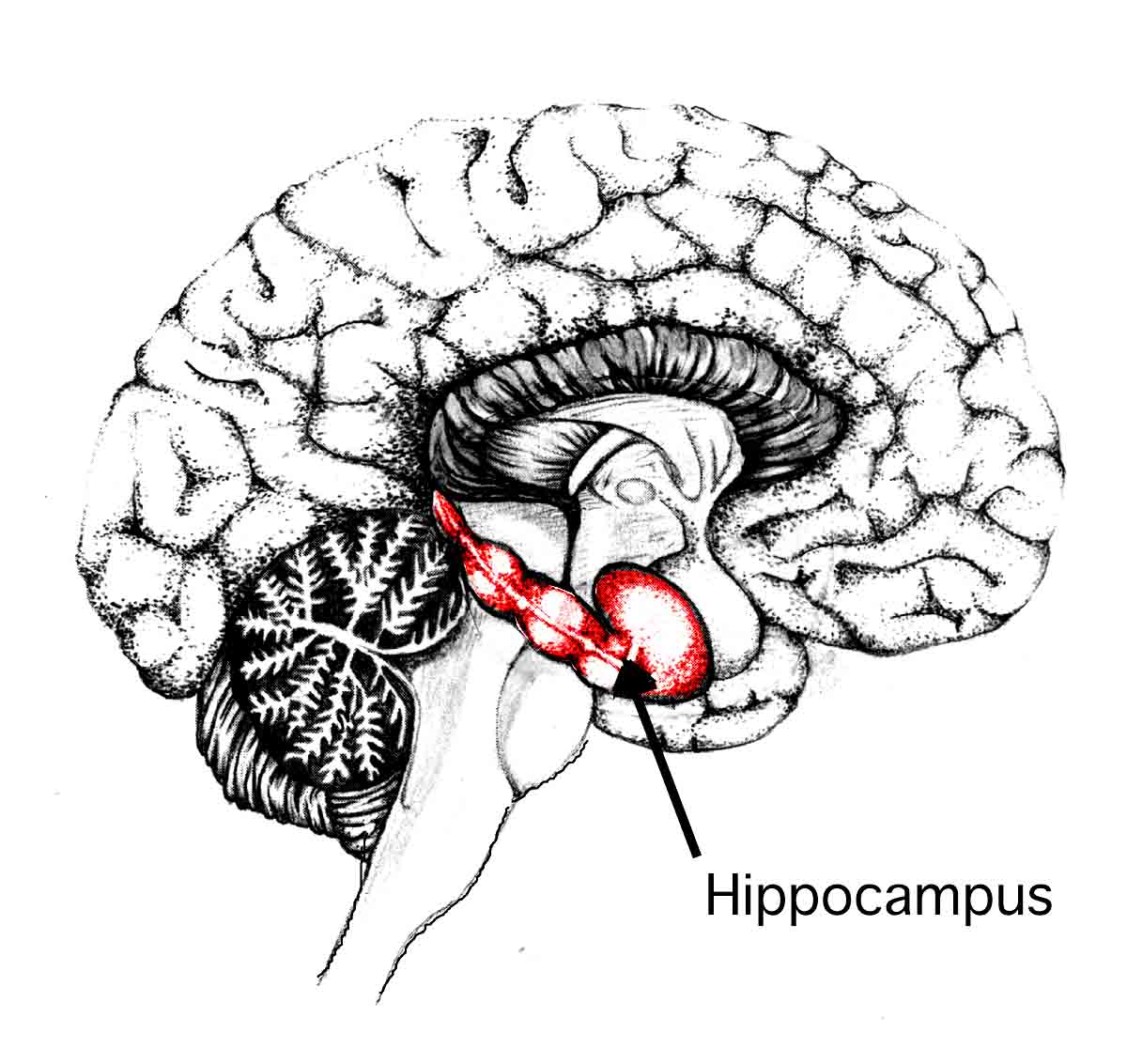
Well, what else can increase BDNF? What other commonly recommended treatment works just as well for depression as antidepressant medication? Exercise, of course. How would exercise increase BDNF in the hippocampus, of all places? There are a number of ways, but the most interesting to me right now is via nitric oxide. Nitric oxide is a gas we make in our red blood cells, especially during exercise and meditative-type breathing. Nitric oxide does all sorts of happy things in our bodies, including relaxing blood vessels and lowering blood pressure, and it is also necessary for erections in men.
Perhaps I have gone far afield of depression at the moment. We psychiatrists, always getting distracted. (Did you know that impotence is related to diabetes and insulin resistance?) But back to the brain! See, antidepressants have to be absorbed in the GI tract, then the active molecules have to somehow make it to the blood brain barrier, and then find the right part of the brain, where a whole cascade of membrane proteins, second messengers, vitamins, and neurotransmitters have to work in concert to increase the production of BDNF to cause the antidepressant effect. Whew. But good old nitric oxide, it is a tiny little molecule, a gas. It doesn't have to rely on all these other players. It can just float through membranes and bind directly to the promoter region of the gene for BDNF, and help the brain make more.
Great! Everyone go out and get some exercise, or meditate. But wait a minute.
It turns out that depressive disorders are a lot more common in people with type II diabetes, and that people with depressive disorders have a 65% greater chance than unaffected adults of developing diabetes. The correlation is so strong, in fact, that for a while researchers were trying to figure out if antidepressant medication actually caused diabetes. (Don't panic - unless the medicine is also making you gain weight, it is probably not adding to your risk of diabetes). As it turns out, successfully treating the depression doesn't improve the increased risk of diabetes. Hmmm, why would that be? Maybe because something else is causing diabetes and the depression, and zoloft isn't FDA-approved to treat insulin resistance?
Well, what does that have to do with the price of tea? I don't know, not 100%. But I have a sneaking suspicion about several factors. Here's one. You see, insulin resistance is associated with endothelial dysfunction (damage to the inner walls of the blood vessels). This means that nitric oxide isn't able to float through the blood vessels (where it is made) into the cells (where it is used). In a nutshell, the nitric oxide of people with insulin resistance cannot do all the things it needs to do. Such as help with sexual activity, reduce blood pressure, and perhaps, just perhaps, help the spectacular brain fertilizer, BDNF, repair the oxidative and inflammatory damage thought to be characteristic of a depressed brain.
So it turns out that maybe it is important for psychiatrist to know a little something about what causes insulin resistance and diabetes, and what an appropriate and effective dietary intervention might be for the whole metabolic derangement in the first place (hint - it's not a high carbohydrate diet).
Thursday, June 17, 2010
Eat What You Want**, Lose Fat, and Keep it Off Forever
** except for a few foods which currently constitute 60% of the standard American diet
(disclaimer again - I'm not your doctor - you may have a particular medical condition so that this information does not apply to you. Talk to your doctor if you have questions, but make sure he/she knows what the Friedewalde equation is!)
All you have to do is follow a few dietary rules to be more hunter gatherer in your eating:
1) Eat veggies. May substitute fruits sometimes, but most of the time it should be veggies. Prepare the veggies any way you like, and most people can use coconut oil and butter (from pastured sources is preferred).
2) Eat protein several times a day, too. It is preferable for it to be wild caught fish, organic poultry (or pork, for most people), shellfish and shrimp, omega 3 or organic eggs or grass fed beef, bison, buffalo, goats, venison, etc.
3) Snacks can be nuts, veggies, fruit, veggies with almond butter - that sort of thing.
4) Avoid (for the most part) soy, peanuts, grains, corn, and any processed food or added sugar.
5) Avoid all processed vegetable oils (watch those salad dressings, and "real" mayonnaise at the store is soybean oil! Use olive oil and lemon juice or vinegar!)
6) Keep your dairy high fat, fermented if possible, and try not to have it for every single meal.
7) Avoid alcohol (for the most part)
*Now a few simple lifestyle rules:
1) Get plenty of sleep
2) Move around (I'll have another post on exercise with more details)
3) Don't get too stressed (Build anti-stress/enjoyable time into your daily life)
*A few specifics on medical conditions/medications which may affect these rules:
1) Antihypertensive medication: Most people who start to eat this way decrease their salt consumption dramatically (no processed food), and the weight loss can lead to lower blood pressures fairly quickly. Keep your pressure monitored and consult your doctor.
2) Diabetes - especially type II, on any sulfonylurea medications (glipizide (glucotrol) and glyburide (micronase) are the most common, but there are several more): Dropping your carbohydrates like this can lead to low blood sugars if you are on these medicines, which cause your pancreas to secrete more insulin. So again, consult with your doctor!
3) Any condition for which you have to be on coumadin (warfarin) - A diet high in veggies can increase vitamin K, which will make your coumadin less effective. A diet high in omega 3s relative to omega 6 fatty acids will make you more likely to bleed (omega 6 fatty acids are pro-thrombic and omega-3s tend to displace them in the diet and in tissues). So again, go slowly (see below), keep the INR in check, and CONSULT WITH YOUR DOCTOR.
4) Advanced Ischemic Heart Disease and Severe Type II Diabetes - *some* evidence suggests saturated fats may actually be bad for you. Focus on the olive oil and fish oil, and keep in mind that most animal fats (the fat on your steak and in your chicken skin) are actually very high in oleic acid (same fat as olive oil) and other "cholesterol neutral" fats. Plain old saturated fat would include: coconut and palm oil, high fat dairy, butter, beef tallow, lard. This advice may change as the science on this subject is expanding far more rapidly than the "official" advice. But even Staffan Lindeberg, my paleonutrition guru, advises against loads of saturated fat with these conditions. I'll have a whole post on this once I do more research and wrap my head around the theory of lipotoxicity. However, I must admit I am exasperated with the cognitive dissonance between the official recommendations and what might actually work to help improve insulin resistance and reduce atherosclerosis. As near as I can tell, the official way to eat recommended to diabetics is moderate or low carb, lots of fiber, and low in animals and animal fat. This means you are pretty much limited to salad, skinless chicken breasts, olive oil, and wood chips (fiber), with some token whole grains, potato, or fruit thrown in. But the truth of the matter is, we can either be low carb OR low fat. Protein can't really change that much. Wood chips are not a viable substitution for fat. Sigh. I'm a psychiatrist, and this kills me. I'm not sure how the heads of nutritionists, cardiologists, and endocrinologists just don't explode.
*How to Start Slowly:
Not ready to take the full plunge? Still have lots of pasta in the pantry?
1) Start by ditching the processed food, meaning anything with 10 zillion ingredients and anything with high fructose corn syrup in it. Get rid of fruit juice, soda, and other added sugars. Take your coffee black or with cream, switch to a touch of honey (preferably raw) instead of sugar. Reduce the amount of honey over time. Use real maple syrup on your pancakes. You'll use less because it costs more.
2) After you're comfortable with that, then reduce the grains/sugars to one meal a day. The other meals should follow the simple dietary rules. Your best bet is to have the high-carb meal happen within a two hour window after you exercise. Your worst bet is to have your high-carb meal every morning for breakfast. If you want a sugary treat, eat it within 30 minutes after exercise.
3) Then clean up your grains. Wheat is probably the worst offender, wild rice and quinoa are the least, though you can pack on quite a carb load with an anemic-looking amount of rice. Get rid of any non-organic sources (the others will be genetically modified which *may* have autoimmune implications - until they are more thoroughly tested, why risk it?). Corn may be more or less okay, but in processed food usually comes with a lot of corn oil, which is horrible. Sorry.
*I'm following all your rules and I'm still not losing weight!!
1) What is your insulin status? You may be sensitive to too many carbohydrates (if you have excess abdominal fat, love handles, high blood pressure, have trouble losing weight, and you've been eating the standard American diet, you're probably a bit insulin resistant). First, ditch any remaining grains. Then decrease the amounts of more sugary fruits like apples, oranges, bananas, pineapples - you're better off with lower carb fruits like plums, peaches, figs, those kinds of things, and then only once a day or every few days.
2) Are you intolerant to lactose or casein? Get rid of the dairy (except eggs) and see what happens.
3) Are you following the lifestyle rules too? Diet is probably only 80% of fat loss.
4) Are you vitamin D deficient?
5) Are you eating too much protein? If you are packing in five pounds of porterhouse a day, you could be making glucose via gluconeogenesis, resulting in fat gain.
*I'm following all your stupid rules, and I feel like crap!!
1) A sudden drop in carbohydrates can cause some people to feel sick and tired and grouchy. This can happen even without ketosis (which won't generally happen with the amount of carbohydrates you would eat from having lots of veggies and fruit). This usually passes within a couple of days, (after which you will tend to feel energetic, clear-headed, and fabulous) but go to the "How to Start Slowly" section if you like.
*Wait a minute - where are the portion sizes and calorie counts?
1) Hunter gatherers did not have FitDay. And many modern hunter gatherer societies have plenty of food about - no malnutrition, and yet still they are effortlessly slim. Our appetites regulate themselves, as long as we don't have foods about which likely throw off our hormonal appetite regulation (added sugar and wheat are the most likely culprits). Don't go hungry. If you are hungry, eat. If you aren't hungry, you don't have to eat. If you're like me, you might not trust your natural appetite after watching your food closely for a long time. Then go for a pile of veggies and a palm-sized amount of protein. The rest will take care of itself.
*I want a cookie!!!!!
Eat a cookie.
No, seriously, eat a cookie. The way of eating detailed above puts us into a fat-burning metabolic mode. As long as you spend the majority of your time eating according to the rules, you should be in fat-burning mode most of the time, and a cookie ain't gonna hurt much. You will be out of fat-burning mode for a few hours. Big deal. If you are insulin resistant, it will be harder to get into fat-burning mode, and harder to get out of fat-storing mode. So a cookie is going to do your diet more harm than someone who is insulin sensitive.
* The American Heart Association Or Other Official Grand Poohbas say that vegetable oils are fine and are preferred to animal fats! Why is that?
They are trying to get you to decrease the amount of saturated fat you eat by replacing it with vegetable oil. Corn oil will lower your total cholesterol lickety split, but here's a gem of an old study dug up on Hyperlipid showing it may also kill you and cause diabetes (1). I personally think it is unfortunate advice, as the seed oils such as corn oil are high in omega-6 and will cause your omega-3s and omega-6s to be out of balance, and this is most likely very bad for both your health and your brain. I'll do another post on the specifics of the PUFA fat balance.
* Won't I be missing vital vitamins and minerals if I am not eating grains?
No. You won't be. Tells you how important grains are to good health. If you drop grains, you don't need a single vitamin or mineral supplement to make up for it. Not the same story if you drop all animal foods! Speaking of...
* I'm a vegetarian
Why? Is it strictly for improved health? Then you might want to look into it some more and consider other approaches. Adult vegetarians are generally healthier than the average American on the standard American diet, but you will be missing some major vitamins and minerals (especially if you are a vegan), and you will find it very difficult to keep your omega 6 and omega 3 in balance. Is it for environmental, sustainability, or spiritual reasons? All those are very valid and important reasons to some people, though I would argue that if you consume conventional grains, that the environment suffers a great deal (2). Consider adding dairy, and especially consider adding fish. Flax oil is an okay omega-3 additive, though it is high in phytoestrogens, and many people have poor conversion from flax oil (ALA) to the shorter-chain omega 3 acids we need to use in our bodies (found in fish oil). Watch your corn oil and omega 6 intake like a hawk. Soak/use traditional methods to prepare your grains and beans. Nuts can be pretty high in omega 6, so steer towards macadamia nuts which are somewhat higher in omega 3s.
(disclaimer again - I'm not your doctor - you may have a particular medical condition so that this information does not apply to you. Talk to your doctor if you have questions, but make sure he/she knows what the Friedewalde equation is!)
All you have to do is follow a few dietary rules to be more hunter gatherer in your eating:
1) Eat veggies. May substitute fruits sometimes, but most of the time it should be veggies. Prepare the veggies any way you like, and most people can use coconut oil and butter (from pastured sources is preferred).
2) Eat protein several times a day, too. It is preferable for it to be wild caught fish, organic poultry (or pork, for most people), shellfish and shrimp, omega 3 or organic eggs or grass fed beef, bison, buffalo, goats, venison, etc.
3) Snacks can be nuts, veggies, fruit, veggies with almond butter - that sort of thing.
4) Avoid (for the most part) soy, peanuts, grains, corn, and any processed food or added sugar.
5) Avoid all processed vegetable oils (watch those salad dressings, and "real" mayonnaise at the store is soybean oil! Use olive oil and lemon juice or vinegar!)
6) Keep your dairy high fat, fermented if possible, and try not to have it for every single meal.
7) Avoid alcohol (for the most part)
*Now a few simple lifestyle rules:
1) Get plenty of sleep
2) Move around (I'll have another post on exercise with more details)
3) Don't get too stressed (Build anti-stress/enjoyable time into your daily life)
*A few specifics on medical conditions/medications which may affect these rules:
1) Antihypertensive medication: Most people who start to eat this way decrease their salt consumption dramatically (no processed food), and the weight loss can lead to lower blood pressures fairly quickly. Keep your pressure monitored and consult your doctor.
2) Diabetes - especially type II, on any sulfonylurea medications (glipizide (glucotrol) and glyburide (micronase) are the most common, but there are several more): Dropping your carbohydrates like this can lead to low blood sugars if you are on these medicines, which cause your pancreas to secrete more insulin. So again, consult with your doctor!
3) Any condition for which you have to be on coumadin (warfarin) - A diet high in veggies can increase vitamin K, which will make your coumadin less effective. A diet high in omega 3s relative to omega 6 fatty acids will make you more likely to bleed (omega 6 fatty acids are pro-thrombic and omega-3s tend to displace them in the diet and in tissues). So again, go slowly (see below), keep the INR in check, and CONSULT WITH YOUR DOCTOR.
4) Advanced Ischemic Heart Disease and Severe Type II Diabetes - *some* evidence suggests saturated fats may actually be bad for you. Focus on the olive oil and fish oil, and keep in mind that most animal fats (the fat on your steak and in your chicken skin) are actually very high in oleic acid (same fat as olive oil) and other "cholesterol neutral" fats. Plain old saturated fat would include: coconut and palm oil, high fat dairy, butter, beef tallow, lard. This advice may change as the science on this subject is expanding far more rapidly than the "official" advice. But even Staffan Lindeberg, my paleonutrition guru, advises against loads of saturated fat with these conditions. I'll have a whole post on this once I do more research and wrap my head around the theory of lipotoxicity. However, I must admit I am exasperated with the cognitive dissonance between the official recommendations and what might actually work to help improve insulin resistance and reduce atherosclerosis. As near as I can tell, the official way to eat recommended to diabetics is moderate or low carb, lots of fiber, and low in animals and animal fat. This means you are pretty much limited to salad, skinless chicken breasts, olive oil, and wood chips (fiber), with some token whole grains, potato, or fruit thrown in. But the truth of the matter is, we can either be low carb OR low fat. Protein can't really change that much. Wood chips are not a viable substitution for fat. Sigh. I'm a psychiatrist, and this kills me. I'm not sure how the heads of nutritionists, cardiologists, and endocrinologists just don't explode.
*How to Start Slowly:
Not ready to take the full plunge? Still have lots of pasta in the pantry?
1) Start by ditching the processed food, meaning anything with 10 zillion ingredients and anything with high fructose corn syrup in it. Get rid of fruit juice, soda, and other added sugars. Take your coffee black or with cream, switch to a touch of honey (preferably raw) instead of sugar. Reduce the amount of honey over time. Use real maple syrup on your pancakes. You'll use less because it costs more.
2) After you're comfortable with that, then reduce the grains/sugars to one meal a day. The other meals should follow the simple dietary rules. Your best bet is to have the high-carb meal happen within a two hour window after you exercise. Your worst bet is to have your high-carb meal every morning for breakfast. If you want a sugary treat, eat it within 30 minutes after exercise.
3) Then clean up your grains. Wheat is probably the worst offender, wild rice and quinoa are the least, though you can pack on quite a carb load with an anemic-looking amount of rice. Get rid of any non-organic sources (the others will be genetically modified which *may* have autoimmune implications - until they are more thoroughly tested, why risk it?). Corn may be more or less okay, but in processed food usually comes with a lot of corn oil, which is horrible. Sorry.
*I'm following all your rules and I'm still not losing weight!!
1) What is your insulin status? You may be sensitive to too many carbohydrates (if you have excess abdominal fat, love handles, high blood pressure, have trouble losing weight, and you've been eating the standard American diet, you're probably a bit insulin resistant). First, ditch any remaining grains. Then decrease the amounts of more sugary fruits like apples, oranges, bananas, pineapples - you're better off with lower carb fruits like plums, peaches, figs, those kinds of things, and then only once a day or every few days.
2) Are you intolerant to lactose or casein? Get rid of the dairy (except eggs) and see what happens.
3) Are you following the lifestyle rules too? Diet is probably only 80% of fat loss.
4) Are you vitamin D deficient?
5) Are you eating too much protein? If you are packing in five pounds of porterhouse a day, you could be making glucose via gluconeogenesis, resulting in fat gain.
*I'm following all your stupid rules, and I feel like crap!!
1) A sudden drop in carbohydrates can cause some people to feel sick and tired and grouchy. This can happen even without ketosis (which won't generally happen with the amount of carbohydrates you would eat from having lots of veggies and fruit). This usually passes within a couple of days, (after which you will tend to feel energetic, clear-headed, and fabulous) but go to the "How to Start Slowly" section if you like.
*Wait a minute - where are the portion sizes and calorie counts?
1) Hunter gatherers did not have FitDay. And many modern hunter gatherer societies have plenty of food about - no malnutrition, and yet still they are effortlessly slim. Our appetites regulate themselves, as long as we don't have foods about which likely throw off our hormonal appetite regulation (added sugar and wheat are the most likely culprits). Don't go hungry. If you are hungry, eat. If you aren't hungry, you don't have to eat. If you're like me, you might not trust your natural appetite after watching your food closely for a long time. Then go for a pile of veggies and a palm-sized amount of protein. The rest will take care of itself.
*I want a cookie!!!!!
Eat a cookie.
No, seriously, eat a cookie. The way of eating detailed above puts us into a fat-burning metabolic mode. As long as you spend the majority of your time eating according to the rules, you should be in fat-burning mode most of the time, and a cookie ain't gonna hurt much. You will be out of fat-burning mode for a few hours. Big deal. If you are insulin resistant, it will be harder to get into fat-burning mode, and harder to get out of fat-storing mode. So a cookie is going to do your diet more harm than someone who is insulin sensitive.
* The American Heart Association Or Other Official Grand Poohbas say that vegetable oils are fine and are preferred to animal fats! Why is that?
They are trying to get you to decrease the amount of saturated fat you eat by replacing it with vegetable oil. Corn oil will lower your total cholesterol lickety split, but here's a gem of an old study dug up on Hyperlipid showing it may also kill you and cause diabetes (1). I personally think it is unfortunate advice, as the seed oils such as corn oil are high in omega-6 and will cause your omega-3s and omega-6s to be out of balance, and this is most likely very bad for both your health and your brain. I'll do another post on the specifics of the PUFA fat balance.
* Won't I be missing vital vitamins and minerals if I am not eating grains?
No. You won't be. Tells you how important grains are to good health. If you drop grains, you don't need a single vitamin or mineral supplement to make up for it. Not the same story if you drop all animal foods! Speaking of...
* I'm a vegetarian
Why? Is it strictly for improved health? Then you might want to look into it some more and consider other approaches. Adult vegetarians are generally healthier than the average American on the standard American diet, but you will be missing some major vitamins and minerals (especially if you are a vegan), and you will find it very difficult to keep your omega 6 and omega 3 in balance. Is it for environmental, sustainability, or spiritual reasons? All those are very valid and important reasons to some people, though I would argue that if you consume conventional grains, that the environment suffers a great deal (2). Consider adding dairy, and especially consider adding fish. Flax oil is an okay omega-3 additive, though it is high in phytoestrogens, and many people have poor conversion from flax oil (ALA) to the shorter-chain omega 3 acids we need to use in our bodies (found in fish oil). Watch your corn oil and omega 6 intake like a hawk. Soak/use traditional methods to prepare your grains and beans. Nuts can be pretty high in omega 6, so steer towards macadamia nuts which are somewhat higher in omega 3s.
Tuesday, June 15, 2010
Beans and Grains: A Brief Introduction
In previous entries, I made mention of a paleolithic-style diet being optimal for human consumption. By "optimal" I meant you can rely on your appetite to direct you to stay lean (if you are already lean), or be a tad more careful about what you eat and lose the extra fat (in a later post I will explain exactly how to lose the fat!), and, it seems pretty scientifically clear from epidemiological and observational studies (and from a few small studies on people with actual disease) that if you spend your whole life eating this way, also get plenty of sleep, a moderate amount of exercise, and appropriate social interaction, your chances of getting Western diseases such as ischemic heart disease, type II diabetes, many autoimmune diseases, stroke, acne, depression, hypertension, obesity, osteoporosis, and tooth decay are very small. Ooo ooo cool! Sign me up!
There's just one *little* caveat which I will elucidate more fully today - the strict paleo folks avoid grains (including corn, wheat, rye, buckwheat, oats, quinoa, spelt, rice - except maybe wild rice). Or beans and legumes - including chickpeas, peanuts, and especially soy. Or sometimes cow's or goat's milk (though I will go into more detail about milk in a separate post). Also, some will avoid potatoes, tomatoes, eggplants, and other nightshades. Hmm. Kind of a drag, really. (Though once you've gone over to the dark side of paleo, those large pants and type II diabetes seem like way more of a drag than giving up your daily dinner roll).
How could beans and grains be bad for you? Well, let me count the ways:
Lectins: Lectins sit on the outside of plants, attached to sugar molecules. Their roll in nature is thought to be to protect the plant from plant-eating animals. While lots of plants have lectins, the highest concentrations are in seeds, soybeans, beans, potatoes, and peanuts. Normal cooking doesn't destroy the lectins, though pressure cooking will (except for wheat agglutinin - that nasty bugger is impossible to kill), and your stomach and digestive tract don't seem to break them down completely either. (Well, who cares?) Turns out these lectins can penetrate your gut and fly around willy nilly within your body, and there is a mounting body of scientific evidence that lectins play a role in atherosclerosis, insulin resistance, cancer, and autoimmune disease (1). Wheat agglutinin has been shown to bind leptin receptors, which could explain leptin resistance (the first step on the road to obesity). Unfortunately, the theoretical biochemical mechanisms of these things in each separate disease state are becoming clear, and it ain't pretty. Oh. (Now there's no way to get away from lectins - tons of plants have them! But if you vary your plant consumption you'll be exposed to less of the same ones all the time. And seeds and beans, the plant's precious resource for future plant generations, have the most concentrated versions.) To add to the problem, post-modern genetically modified wheat and soy have enhanced lectin activity. Lectins are pesticides, after all, and these superwheats and supersoybeans are more resistant to pests and/or Roundup pesticide. This means the wheat we eat today is very different than the wheat we grew up with 30 years ago, and GMO soybean is questioned as a cause in the rise of peanut allergies in children.
Protease inhibitors: Live in beans and seeds and cereals. They keep the gut from breaking down protein entirely. That means if you eat protein + cereal, your absorption of the protein can be diminished.
Phytoestrogens and isoflavones: These are plant-made hormones that can disrupt the endocrine system. They also might be powerful antioxidants, but that isn't entirely clear. Soy is chock-full of them.
Glycoalkaloids: on the skins of potatoes - can be poisonous in large quantities - probably fine in small quantities.
Plant sterols: thought to decrease the absorption of cholesterol, these guys have been added to margarine recently. Seeing as how margarine is not exactly a health food, adding plant sterols to it seems to me like sprinkling lipitor on your pizza. A certain cardiologist blogger makes a convincing argument to steer clear of sterols.
Phytic Acids: Found on all grains, and while you can get rid of these with warm soaking and fermenting, the phytic acids in oats won't reduce that way, as oats have no natural phytases. These bind dietary minerals, such as calcium, magnesium, zinc, iron, you name it. So if you consume the unreduced phytic acids with every meal, a lot of the minerals in your food will go down the toilet. Literally.
The kicker is, humans have been consuming grains for 10,000 years. Over time we developed a million ways to reduce the toxic effects of these grains via various traditional harvesting and cooking techniques. Without these techniques (hand milling, soaking, sprouting, long fermentation times rather than quick-rise yeast) and getting a lot of our calories from wheat (whose giladins and glutens are among the toughest to get rid of), cereals and beans become sources of nutrient depleting, empty calories, and vectors of biochemical mayhem within the body. Take a grain and smash it flat to mix all the phytic acids and lectins together, then puff it and oxidize the seed oils, add sugar and sell it as chocolate puff cereal - we aren't exactly evolved to eat that.
It's not that a little bit will be all that bad (unless, perhaps, you have autoimmune disease, which I will go into later). It's that massive exposure in every meal day in day out... well...
(Information from this post was taken almost entirely from Staffan Lindeberg's Food and Western Disease. In addition, some of the thoughts about genetically modified wheat and soy come from The Unhealthy Truth.)
There's just one *little* caveat which I will elucidate more fully today - the strict paleo folks avoid grains (including corn, wheat, rye, buckwheat, oats, quinoa, spelt, rice - except maybe wild rice). Or beans and legumes - including chickpeas, peanuts, and especially soy. Or sometimes cow's or goat's milk (though I will go into more detail about milk in a separate post). Also, some will avoid potatoes, tomatoes, eggplants, and other nightshades. Hmm. Kind of a drag, really. (Though once you've gone over to the dark side of paleo, those large pants and type II diabetes seem like way more of a drag than giving up your daily dinner roll).
How could beans and grains be bad for you? Well, let me count the ways:
Lectins: Lectins sit on the outside of plants, attached to sugar molecules. Their roll in nature is thought to be to protect the plant from plant-eating animals. While lots of plants have lectins, the highest concentrations are in seeds, soybeans, beans, potatoes, and peanuts. Normal cooking doesn't destroy the lectins, though pressure cooking will (except for wheat agglutinin - that nasty bugger is impossible to kill), and your stomach and digestive tract don't seem to break them down completely either. (Well, who cares?) Turns out these lectins can penetrate your gut and fly around willy nilly within your body, and there is a mounting body of scientific evidence that lectins play a role in atherosclerosis, insulin resistance, cancer, and autoimmune disease (1). Wheat agglutinin has been shown to bind leptin receptors, which could explain leptin resistance (the first step on the road to obesity). Unfortunately, the theoretical biochemical mechanisms of these things in each separate disease state are becoming clear, and it ain't pretty. Oh. (Now there's no way to get away from lectins - tons of plants have them! But if you vary your plant consumption you'll be exposed to less of the same ones all the time. And seeds and beans, the plant's precious resource for future plant generations, have the most concentrated versions.) To add to the problem, post-modern genetically modified wheat and soy have enhanced lectin activity. Lectins are pesticides, after all, and these superwheats and supersoybeans are more resistant to pests and/or Roundup pesticide. This means the wheat we eat today is very different than the wheat we grew up with 30 years ago, and GMO soybean is questioned as a cause in the rise of peanut allergies in children.
Protease inhibitors: Live in beans and seeds and cereals. They keep the gut from breaking down protein entirely. That means if you eat protein + cereal, your absorption of the protein can be diminished.
Phytoestrogens and isoflavones: These are plant-made hormones that can disrupt the endocrine system. They also might be powerful antioxidants, but that isn't entirely clear. Soy is chock-full of them.
Glycoalkaloids: on the skins of potatoes - can be poisonous in large quantities - probably fine in small quantities.
Plant sterols: thought to decrease the absorption of cholesterol, these guys have been added to margarine recently. Seeing as how margarine is not exactly a health food, adding plant sterols to it seems to me like sprinkling lipitor on your pizza. A certain cardiologist blogger makes a convincing argument to steer clear of sterols.
Phytic Acids: Found on all grains, and while you can get rid of these with warm soaking and fermenting, the phytic acids in oats won't reduce that way, as oats have no natural phytases. These bind dietary minerals, such as calcium, magnesium, zinc, iron, you name it. So if you consume the unreduced phytic acids with every meal, a lot of the minerals in your food will go down the toilet. Literally.
The kicker is, humans have been consuming grains for 10,000 years. Over time we developed a million ways to reduce the toxic effects of these grains via various traditional harvesting and cooking techniques. Without these techniques (hand milling, soaking, sprouting, long fermentation times rather than quick-rise yeast) and getting a lot of our calories from wheat (whose giladins and glutens are among the toughest to get rid of), cereals and beans become sources of nutrient depleting, empty calories, and vectors of biochemical mayhem within the body. Take a grain and smash it flat to mix all the phytic acids and lectins together, then puff it and oxidize the seed oils, add sugar and sell it as chocolate puff cereal - we aren't exactly evolved to eat that.
It's not that a little bit will be all that bad (unless, perhaps, you have autoimmune disease, which I will go into later). It's that massive exposure in every meal day in day out... well...
(Information from this post was taken almost entirely from Staffan Lindeberg's Food and Western Disease. In addition, some of the thoughts about genetically modified wheat and soy come from The Unhealthy Truth.)
Monday, June 14, 2010
The Fat Post: For Heaven's Sake, Eat the Skin on your Chicken
A hundred dieters just turned their heads. "What? The SKIN? That's where all the FAT is!"
Well, let me regale you with a tale of ego, bias, and misdirected good intentions.* Back mid-twentieth century or so, public health officials and doctors were trying to figure out what caused heart disease. At the time, there was only a blood test available for total cholesterol, and investigations of atherosclerotic plaques showed that they were made of cholesterol! Also, excess fat on your body is saturated fat, pretty much. So these researchers decided 1+1 = 2, because people with high total cholesterol did seem to have more heart attacks.
Dr. Ancel Keys, made famous for his conscientious objectors study in WWII, inventing the K ration, and also for feeding institutionalized schizophrenics different diets and monitoring their cholesterol, came up with the Dietary Fats Hypothesis. Which is, basically, that eating a diet high in fat causes heart disease. For evidence, he produced his (also famous) Seven Countries Study, where countries where people ate low amounts of fat (such as Japan), had less heart disease than countries where people ate more fat (such as the U.S.). Unfortunately, he hand-picked these countries, leaving out the troublesome ones (such as places in Finland, Crete, Newfoundland, France, Switzerland, etc. etc. etc.(1)) where people ate plenty of fat, and had low incidence of heart disease. For various reasons, this dietary fat hypothesis took off, and before you know it, Time magazine had a cover with fried egg eyes and a bacon frown, and none of us were allowed to eat the skin on our chickens anymore. We were told to substitute "bad" animal fats with "good" vegetable fats (seed oils, like corn and soybean and safflower) and eat more carbohydrates in lieu of fats.
This recommendation was basically an unregulated experiment on the population of the United States, because there was never good evidence that this would prevent heart attacks or, perhaps more importantly to most of us, lessen overall mortality, though cholesterol will get lower if you lower your intake of saturated fat. Though really, if you look at the data, it doesn't matter.
The lone famous outlier was Dr. Atkins, who really did some brilliant work. Unfortunately, he was apparently something of a jerk, and people in the scientific community would go out of their way to prove him wrong and discredit him. Alas. (In my opinion, Atkins didn't get it completely right either, but he wasn't completely wrong).
Now let's fast forward to the 21st century, and look at all the scientific data we have accumulated over the years to show that dietary fat (especially saturated fat) causes heart disease and early death: Um, well, there isn't any (2). Well, okay, a few studies in people with advanced ischemic heart disease or diabetes showed worse outcomes with high amounts of saturated fat, but these studies weren't controlled for the kinds or amounts of carbohydrates the study subjects were eating, and in one of the studies the 'animal fats' involved included sausages and processed deli meats and the like (3). In fact, the Framingham Heart Study (perhaps the most famous heart disease study in history) has studied the dietary habits if three generations of people, and found no link between total dietary fat consumption and ischemic heart disease. Worse, though the Nurse's Health Study shows no correlation between total dietary fat consumption and heart disease in women (4), other epidemiological studies show a higher risk of cancer in women who consume low fat diets (5)(6).
Don't believe me? Check out this article in Scientific American about a meta-analysis of ALL the major dietary studies, comparing the daily food intake of some 350,000 people.
I'm not trying to promote a silly blood type or food combining diet, folks! I'm a mother and a doctor who wants to not worry about her weight and keep my kids from becoming the next diabetes statistic, so I have done a bit of homework.
All right, back to the main point. Yes, Fat (in general) = Not Bad (or, in some cases, V. Good!). Before you say, "Suweet! I'm off to Cinnabon!" please remember, fat+sugar = kiss your pancreas good-bye. And unfortunately, ladies and gentleman, all those fast "food" joints serve up their industrial meat with special sauces loaded with sugar on sugary buns with sugar sprinkles, more or less, so the KFC Double Down is still not a good idea. However, there is no consistent medical literature to back the AHA Recommended Diet limiting fat consumption to 30% of calories daily.
The whole fat story is more complicated, and I'm about to bring back the biochemistry, so if you are still interested, keep reading (at the very end will be a summary about what to eat), because, guess what, there are good fats and bad fats (7), but they just aren't the ones you might think:
1) The Good Fat: Monounsaturated fats, such as olive oil. Everyone pretty much agrees on this one. Olive oil is good for you. Hooray! In fact, the new healthy diet du jour is the Mediterranean Diet with its focus on healthy fats - olive oil! (Did you know that while the people in Crete had low incidence of heart disease, they have similar incidence of type II diabetes to the rest of Europe (8)? But I digress...) Another famous monounsaturated fat is canola (or rapeseed) oil. Unfortunately, canola oil is highly processed and some of it is even loaded with trans fats, which brings me to...
2) The Bad Fat: Trans Fats (boo!). What are trans fats? Well, unsaturated fats have chemical bonds that are, in nature, shaped like little boats. If you take an unsaturated fat and then heat it and use a chemical catalyst to make it hydrogenated (think margarine - boo!), then some of the chemical bonds are trans bonds, which are like little boats if they were cleaved by lightning and the stern flipped over and all the people on board were doomed to death by drowning. Trans fats are also unnaturally high in industrial grain-fed beef, according The Primal Blueprint. Trans fats are yet another example of the industrial process creating frankenfood that we just aren't able to metabolize correctly, and it killed us in droves. And be careful about those "0g trans fat" labels on food nowadays - up to 0.5g trans fat per serving can be rounded down to 0, so if you eat 5-6 servings of chips, you could be consuming up to 3 grams of deadly trans fats. Read the label and pass on ANY food with hydrogenated or partially hydrogenated oils in it. Do you know how to get an animal to develop atherosclerosis? Feed it something it doesn't normally eat, like red meat to rabbits.
3) The Fat that Will Make You Pull Your Hair Out: Polyunsaturated Fats (PUFAs). PUFAs are vegetable seed oils and fish and nut oils that we were told to eat in lieu of saturated animal fats. Ditch the butter, eat margarine! Ditch the lard - fry in vegetable oil! It turns out there are two kinds of PUFAs, omega 6 and omega 3. In general, most seed and nut oils are omega 6 (though macadamia nuts are pretty high in omega 3), and fish oil and flax oil are omega 3. Who cares? Well, the balance between omega 3 and 6 is important. In our modern diet LOADED with soy and corn oil (seriously, look on the ingredients of ANY processed food), we have a huge imbalance between omega 6 and omega 3. Omega 3 is only high in things like wild caught fish (NOT farm raised - those fish are fed corn/grain, and the actual omega 3 fats in salmon come from the little diatoms and algae they munch on in the wild) and grass-fed beef. So who cares if our ratio is off? Well, PUFAs (especially omega 6) are definitely linked to cancer (9). Yup. Different kinds of cancer. And fatty liver and insulin resistance. (sorry, chip lovers. sorry, infant formula drinkers, etc. etc. etc.). Oh, and corn-fed beef is also higher in omega 6 and almost missing omega 3, whereas grass-fed is reasonably more balanced between the two. Truth is, you don't want to ingest a high amount of PUFAs (though we need some to survive), but they are almost impossible to avoid. If you take some extra omega 3s, though, you can diminish the impact. Fat is important. Your brain is 60% fat - and it needs to be the right kind, or things don't work properly (more details on fats and the brain in another post).
4) The Fat of Kings: Saturated Fat. Poor saturated fat. That's animal fats and a few tropical oils (lard, beef tallow, eggs, butter, the skin on your chicken, etc. and palm and coconut oils) Did you know that the cell membranes of every cell in your body require saturated fat to work properly? Ingesting saturated fats will definitely raise your total cholesterol. It increases your LDL ("bad" cholesterol) - which I am going to go out on a limb a bit and say probably doesn't matter in the slightest, as long as you have a low number of "small, dense" LDL which are associated with high carbohydrate diets. Saturated fat also increases your HDL (hooray! "Good" cholesterol!), thus, total cholesterol will go up. You know who has been proven to do poorly with total cholesterol over 250? Men with known ischemic heart disease under the age of 50 (10). You know who hasn't been proven to do poorly with high cholesterol? Anyone else. In fact, in Japan they ask people to eat more of certain kinds of fats because it lowers risk of stroke. Did you know that a large percentage of the fat in a porterhouse steak is the same monounsaturated fat as in olive oil? Yeah, the Good Fat! Did you know that the only saturated fat to be linked to issues with ischemic heart disease and insulin resistance is palmitic acid, which is found only in small amounts in coconut oil, for example, which we have been told to avoid? Did you know that the young Masai warriors and the Tokelau eat diets of 33% and 50% or their total calories from saturated fat respectively, and have no appreciable atherosclerosis, diabetes or ischemic heart disease while they are eating their traditional diets?
(But why is everyone on lipitor? Ah, statins. They have been proven to help men with ischemic heart disease or people with hereditary hypercholesterolemia lower their risk of further heart disease. And they do lower cholesterol, which is likely not the reason they help. They are also thought to decrease inflammation, which is the real devil (along with small, dense LDL which are increased, again, in high sugar diets) - and statins can have a high cost.
This is a long one. Let's wrap it up: Telling everyone to cut the animal fat and exchange it for vegetables oils, high carbohydrates and saying sugar wasn't a major health problem was an unmitigated public health disaster leading to record obesity and failed diets for 30 years. I'm not going to pull any punches here, because doctors should know biochemistry, and a lot of this is basic, basic stuff.
You want to eat fat? Go olive oil, wild fish oil, and some nuts. Organic eggs have 5-7 times the DHA (an omega 3) of conventionally grown ones, and 1/5 of the omega 6 (11). Get a lovely steak derived from a cow that spent its life eating what it was supposed to eat - grass, not corn! Eat the skin on your chicken.
Bold? Not about to take a (in my opinion, hopelessly outdated) cholesterol test for a life insurance policy or disability policy, and unafraid to tell your doctor that you don't care about your total cholesterol or your LDL as much as whether you have a negligible percentage of small, dense LDL, your triglycerides are low and your HDL is high? Fry your eggs and organic ground turkey in coconut oil. Stir-fry with pastured butter. Yum Yum! Some individuals with certain genetic profiles may need to watch their saturated fats more closely than most of us. I'll go into this in more detail in a later post.
Don't go nuts and eat your fats with a lot of sugar or a huge pile of pasta, at least not very often.
*all meticulously documented in Good Calories, Bad Calories by Gary Taubes. He is the secondary source for much of my information. Dr. Stephan Guyenet has examined many of the primary sources on his blog, Whole Health Source
Well, let me regale you with a tale of ego, bias, and misdirected good intentions.* Back mid-twentieth century or so, public health officials and doctors were trying to figure out what caused heart disease. At the time, there was only a blood test available for total cholesterol, and investigations of atherosclerotic plaques showed that they were made of cholesterol! Also, excess fat on your body is saturated fat, pretty much. So these researchers decided 1+1 = 2, because people with high total cholesterol did seem to have more heart attacks.
Dr. Ancel Keys, made famous for his conscientious objectors study in WWII, inventing the K ration, and also for feeding institutionalized schizophrenics different diets and monitoring their cholesterol, came up with the Dietary Fats Hypothesis. Which is, basically, that eating a diet high in fat causes heart disease. For evidence, he produced his (also famous) Seven Countries Study, where countries where people ate low amounts of fat (such as Japan), had less heart disease than countries where people ate more fat (such as the U.S.). Unfortunately, he hand-picked these countries, leaving out the troublesome ones (such as places in Finland, Crete, Newfoundland, France, Switzerland, etc. etc. etc.(1)) where people ate plenty of fat, and had low incidence of heart disease. For various reasons, this dietary fat hypothesis took off, and before you know it, Time magazine had a cover with fried egg eyes and a bacon frown, and none of us were allowed to eat the skin on our chickens anymore. We were told to substitute "bad" animal fats with "good" vegetable fats (seed oils, like corn and soybean and safflower) and eat more carbohydrates in lieu of fats.
This recommendation was basically an unregulated experiment on the population of the United States, because there was never good evidence that this would prevent heart attacks or, perhaps more importantly to most of us, lessen overall mortality, though cholesterol will get lower if you lower your intake of saturated fat. Though really, if you look at the data, it doesn't matter.
The lone famous outlier was Dr. Atkins, who really did some brilliant work. Unfortunately, he was apparently something of a jerk, and people in the scientific community would go out of their way to prove him wrong and discredit him. Alas. (In my opinion, Atkins didn't get it completely right either, but he wasn't completely wrong).
Now let's fast forward to the 21st century, and look at all the scientific data we have accumulated over the years to show that dietary fat (especially saturated fat) causes heart disease and early death: Um, well, there isn't any (2). Well, okay, a few studies in people with advanced ischemic heart disease or diabetes showed worse outcomes with high amounts of saturated fat, but these studies weren't controlled for the kinds or amounts of carbohydrates the study subjects were eating, and in one of the studies the 'animal fats' involved included sausages and processed deli meats and the like (3). In fact, the Framingham Heart Study (perhaps the most famous heart disease study in history) has studied the dietary habits if three generations of people, and found no link between total dietary fat consumption and ischemic heart disease. Worse, though the Nurse's Health Study shows no correlation between total dietary fat consumption and heart disease in women (4), other epidemiological studies show a higher risk of cancer in women who consume low fat diets (5)(6).
Don't believe me? Check out this article in Scientific American about a meta-analysis of ALL the major dietary studies, comparing the daily food intake of some 350,000 people.
I'm not trying to promote a silly blood type or food combining diet, folks! I'm a mother and a doctor who wants to not worry about her weight and keep my kids from becoming the next diabetes statistic, so I have done a bit of homework.
All right, back to the main point. Yes, Fat (in general) = Not Bad (or, in some cases, V. Good!). Before you say, "Suweet! I'm off to Cinnabon!" please remember, fat+sugar = kiss your pancreas good-bye. And unfortunately, ladies and gentleman, all those fast "food" joints serve up their industrial meat with special sauces loaded with sugar on sugary buns with sugar sprinkles, more or less, so the KFC Double Down is still not a good idea. However, there is no consistent medical literature to back the AHA Recommended Diet limiting fat consumption to 30% of calories daily.
The whole fat story is more complicated, and I'm about to bring back the biochemistry, so if you are still interested, keep reading (at the very end will be a summary about what to eat), because, guess what, there are good fats and bad fats (7), but they just aren't the ones you might think:
1) The Good Fat: Monounsaturated fats, such as olive oil. Everyone pretty much agrees on this one. Olive oil is good for you. Hooray! In fact, the new healthy diet du jour is the Mediterranean Diet with its focus on healthy fats - olive oil! (Did you know that while the people in Crete had low incidence of heart disease, they have similar incidence of type II diabetes to the rest of Europe (8)? But I digress...) Another famous monounsaturated fat is canola (or rapeseed) oil. Unfortunately, canola oil is highly processed and some of it is even loaded with trans fats, which brings me to...
2) The Bad Fat: Trans Fats (boo!). What are trans fats? Well, unsaturated fats have chemical bonds that are, in nature, shaped like little boats. If you take an unsaturated fat and then heat it and use a chemical catalyst to make it hydrogenated (think margarine - boo!), then some of the chemical bonds are trans bonds, which are like little boats if they were cleaved by lightning and the stern flipped over and all the people on board were doomed to death by drowning. Trans fats are also unnaturally high in industrial grain-fed beef, according The Primal Blueprint. Trans fats are yet another example of the industrial process creating frankenfood that we just aren't able to metabolize correctly, and it killed us in droves. And be careful about those "0g trans fat" labels on food nowadays - up to 0.5g trans fat per serving can be rounded down to 0, so if you eat 5-6 servings of chips, you could be consuming up to 3 grams of deadly trans fats. Read the label and pass on ANY food with hydrogenated or partially hydrogenated oils in it. Do you know how to get an animal to develop atherosclerosis? Feed it something it doesn't normally eat, like red meat to rabbits.
3) The Fat that Will Make You Pull Your Hair Out: Polyunsaturated Fats (PUFAs). PUFAs are vegetable seed oils and fish and nut oils that we were told to eat in lieu of saturated animal fats. Ditch the butter, eat margarine! Ditch the lard - fry in vegetable oil! It turns out there are two kinds of PUFAs, omega 6 and omega 3. In general, most seed and nut oils are omega 6 (though macadamia nuts are pretty high in omega 3), and fish oil and flax oil are omega 3. Who cares? Well, the balance between omega 3 and 6 is important. In our modern diet LOADED with soy and corn oil (seriously, look on the ingredients of ANY processed food), we have a huge imbalance between omega 6 and omega 3. Omega 3 is only high in things like wild caught fish (NOT farm raised - those fish are fed corn/grain, and the actual omega 3 fats in salmon come from the little diatoms and algae they munch on in the wild) and grass-fed beef. So who cares if our ratio is off? Well, PUFAs (especially omega 6) are definitely linked to cancer (9). Yup. Different kinds of cancer. And fatty liver and insulin resistance. (sorry, chip lovers. sorry, infant formula drinkers, etc. etc. etc.). Oh, and corn-fed beef is also higher in omega 6 and almost missing omega 3, whereas grass-fed is reasonably more balanced between the two. Truth is, you don't want to ingest a high amount of PUFAs (though we need some to survive), but they are almost impossible to avoid. If you take some extra omega 3s, though, you can diminish the impact. Fat is important. Your brain is 60% fat - and it needs to be the right kind, or things don't work properly (more details on fats and the brain in another post).
4) The Fat of Kings: Saturated Fat. Poor saturated fat. That's animal fats and a few tropical oils (lard, beef tallow, eggs, butter, the skin on your chicken, etc. and palm and coconut oils) Did you know that the cell membranes of every cell in your body require saturated fat to work properly? Ingesting saturated fats will definitely raise your total cholesterol. It increases your LDL ("bad" cholesterol) - which I am going to go out on a limb a bit and say probably doesn't matter in the slightest, as long as you have a low number of "small, dense" LDL which are associated with high carbohydrate diets. Saturated fat also increases your HDL (hooray! "Good" cholesterol!), thus, total cholesterol will go up. You know who has been proven to do poorly with total cholesterol over 250? Men with known ischemic heart disease under the age of 50 (10). You know who hasn't been proven to do poorly with high cholesterol? Anyone else. In fact, in Japan they ask people to eat more of certain kinds of fats because it lowers risk of stroke. Did you know that a large percentage of the fat in a porterhouse steak is the same monounsaturated fat as in olive oil? Yeah, the Good Fat! Did you know that the only saturated fat to be linked to issues with ischemic heart disease and insulin resistance is palmitic acid, which is found only in small amounts in coconut oil, for example, which we have been told to avoid? Did you know that the young Masai warriors and the Tokelau eat diets of 33% and 50% or their total calories from saturated fat respectively, and have no appreciable atherosclerosis, diabetes or ischemic heart disease while they are eating their traditional diets?
(But why is everyone on lipitor? Ah, statins. They have been proven to help men with ischemic heart disease or people with hereditary hypercholesterolemia lower their risk of further heart disease. And they do lower cholesterol, which is likely not the reason they help. They are also thought to decrease inflammation, which is the real devil (along with small, dense LDL which are increased, again, in high sugar diets) - and statins can have a high cost.
This is a long one. Let's wrap it up: Telling everyone to cut the animal fat and exchange it for vegetables oils, high carbohydrates and saying sugar wasn't a major health problem was an unmitigated public health disaster leading to record obesity and failed diets for 30 years. I'm not going to pull any punches here, because doctors should know biochemistry, and a lot of this is basic, basic stuff.
You want to eat fat? Go olive oil, wild fish oil, and some nuts. Organic eggs have 5-7 times the DHA (an omega 3) of conventionally grown ones, and 1/5 of the omega 6 (11). Get a lovely steak derived from a cow that spent its life eating what it was supposed to eat - grass, not corn! Eat the skin on your chicken.
Bold? Not about to take a (in my opinion, hopelessly outdated) cholesterol test for a life insurance policy or disability policy, and unafraid to tell your doctor that you don't care about your total cholesterol or your LDL as much as whether you have a negligible percentage of small, dense LDL, your triglycerides are low and your HDL is high? Fry your eggs and organic ground turkey in coconut oil. Stir-fry with pastured butter. Yum Yum! Some individuals with certain genetic profiles may need to watch their saturated fats more closely than most of us. I'll go into this in more detail in a later post.
Don't go nuts and eat your fats with a lot of sugar or a huge pile of pasta, at least not very often.
*all meticulously documented in Good Calories, Bad Calories by Gary Taubes. He is the secondary source for much of my information. Dr. Stephan Guyenet has examined many of the primary sources on his blog, Whole Health Source
Subscribe to:
Posts (Atom)